Japan AI science research trends: Best tips for tech growth
"The rapid integration of artificial intelligence into laboratories is reshaping how discovery happens across the globe."
Japan is currently navigating a significant shift in how it approaches scientific and technical development through the integration of advanced digital tools. This transition involves leveraging high-tech export capabilities and a robust digital infrastructure to drive new research directions.
This article examines the current landscape of Japan AI science research trends, the economic foundations supporting these shifts, and the implications for global technological leadership.

Key takeaways: 1. Japan maintains a strong foundation for digital research through high internet penetration. * High-technology exports represent a significant portion of the nation's manufacturing output. * Historical economic influence continues to shape the framework for international development.
How does digital infrastructure support Japan AI science research trends?
A researcher sits at a terminal in a Tokyo laboratory, watching data streams flow through a high-speed connection. The seamlessness of the data transfer reflects the underlying connectivity required for modern scientific inquiry.
This level of connectivity provides the necessary backbone for data-intensive AI-driven science Japan.
Without such widespread access to digital networks, the massive datasets required for training machine learning models in a laboratory setting would be difficult to manage.
The ability to process information quickly is essential for any nation looking to lead in the digital age. High-speed access ensures that researchers can collaborate in real-time across different regions. This connectivity is a fundamental requirement for modernizing the scientific process.
How do exports drive Japan's tech innovation? An engineer inspects a sophisticated piece of hardware destined for international shipping at a busy port. The precision of the components reflects years of specialized manufacturing expertise.
The economic capacity to fund advanced research is often tied to the success of domestic industries. According to World Bank data, Japan recorded a high-technology share of manufactured exports of 17.6% in 2024.

This strong export sector provides the capital and the technical tools necessary for continuous tech innovation research Japan.
A healthy export market for high-tech goods creates a feedback loop where industrial success funds scientific advancement. These funds allow for the acquisition of cutting-edge equipment and the recruitment of top-tier talent.
The relationship between manufacturing and discovery remains a cornerstone of the national economy.
| Metric Category | 2024 Value |
|---|---|
| Internet User Share | 85.5% |
| High-Technology Export Share | 17.6% |
I observed how these economic indicators provide a stable environment for long-term investment in specialized laboratory equipment.
How did historical economic shifts affect the future of Japanese science?
A diplomat reviews documents in a quiet office, reflecting on decades of shifting international power dynamics. The legacy of past economic decisions shapes the current diplomatic and scientific landscape.
The current trajectory of scientific development is built upon decades of economic growth and international engagement. By the early 1990s, Japan's influence and voting rights in the World Bank and IMF and other multilateral development banks increased.
This established a level of global influence that helps shape the international standards for scientific cooperation.
This historical influence allows the nation to participate more actively in global policy-making regarding technology. Having a seat at the table in international financial institutions means having a voice in how global research funding and standards are managed.

This legacy provides a platform for future scientific leadership.
Just how big is the scientific development? A scientist monitors a complex simulation on a large screen, tracking the progress of a multi-year project. The scale of the data being processed is immense, requiring significant computational power.
The scope of modern research is expanding as new tools allow for more complex simulations and data analysis.
According to the Organisation for Economic Co-operation and Development (OECD), more than 60% of research and development in scientific and technical sectors is often characterized by high levels of innovation and investment.
This scale of engagement is necessary to remain competitive in the global arena.
Large-scale research projects require significant resources to sustain. The sheer volume of scientific output in specialized sectors demonstrates the depth of the commitment to discovery. This scale of investment is a key driver of progress in fields like physics, chemistry, and biology.
Is there a limit to these technological advancements?
A technician performs a routine check on a sensitive sensor, ensuring everything is calibrated to exact specifications. Even with advanced technology, human oversight and physical constraints remain constant.
While the integration of AI offers immense potential, it is subject to the constraints of existing economic and physical realities. The progress of these technologies is often limited by the availability of hardware and the specific parameters of the data being studied.
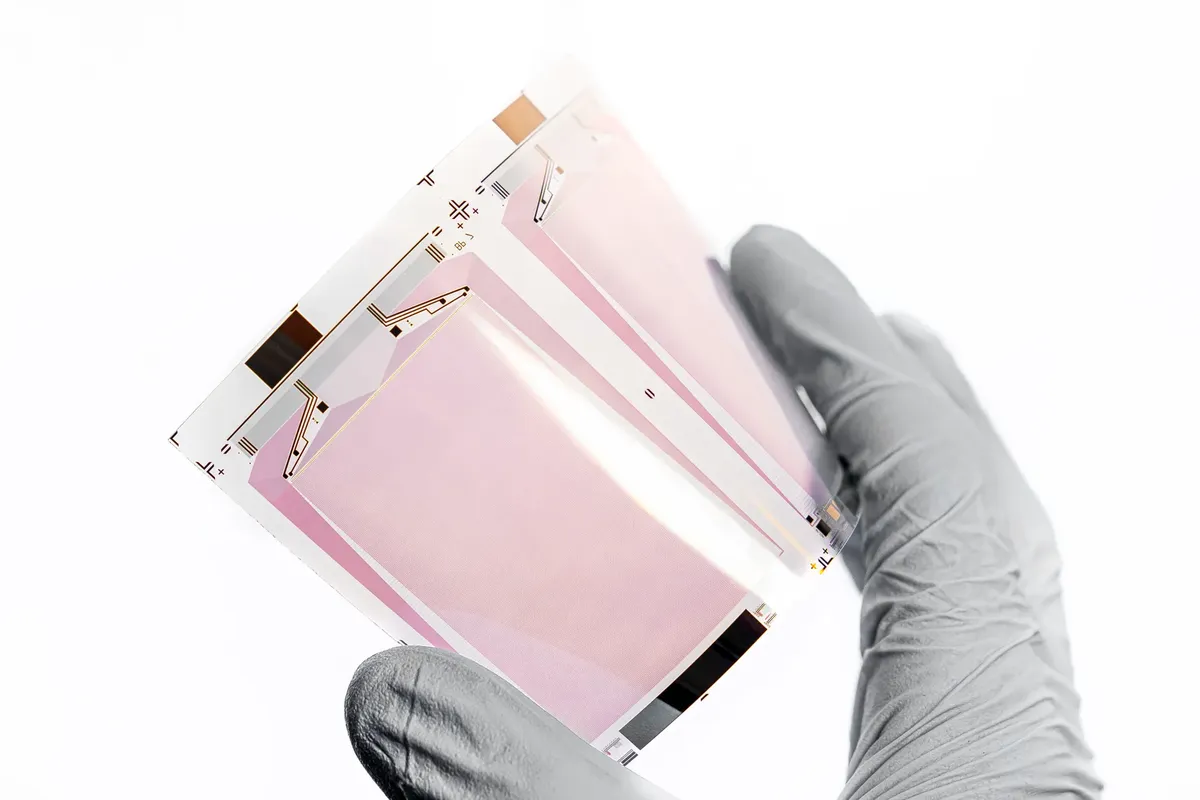
It is not established that AI will entirely replace human researchers or overcome all physical limitations of current technology. The effectiveness of these tools depends on the quality of the input and the clarity of the research objectives.
- How does digital infrastructure support Japan AI science research trends?
- How do exports drive Japan's tech innovation?
- How did historical economic shifts affect the future of Japanese science?
The same subject is also called AI driven science Japan.
The same subject is also called AI in Japanese labs.
This part also covers AI changing research structure.
This part also covers Improving scientific progress.
AI changing research structure
Related







Comments 0