How does Japan maintain high-speed rail efficiency?
"The rapid movement of passengers across vast distances requires not just speed, but a foundation of reliability in every digital transaction and scheduling update."
Japan is integrating advanced digital frameworks to modernize its transit networks, focusing on data integrity and operational efficiency. This transition involves moving from traditional manual oversight to automated, secure systems to manage high-speed and urban rail logistics.

Key takeaways include the importance of digital infrastructure in high-tech economies, the specific operational windows of Japanese rail, and the logistical complexities of long-distance ticketing.
How does Japan maintain high-speed rail efficiency?
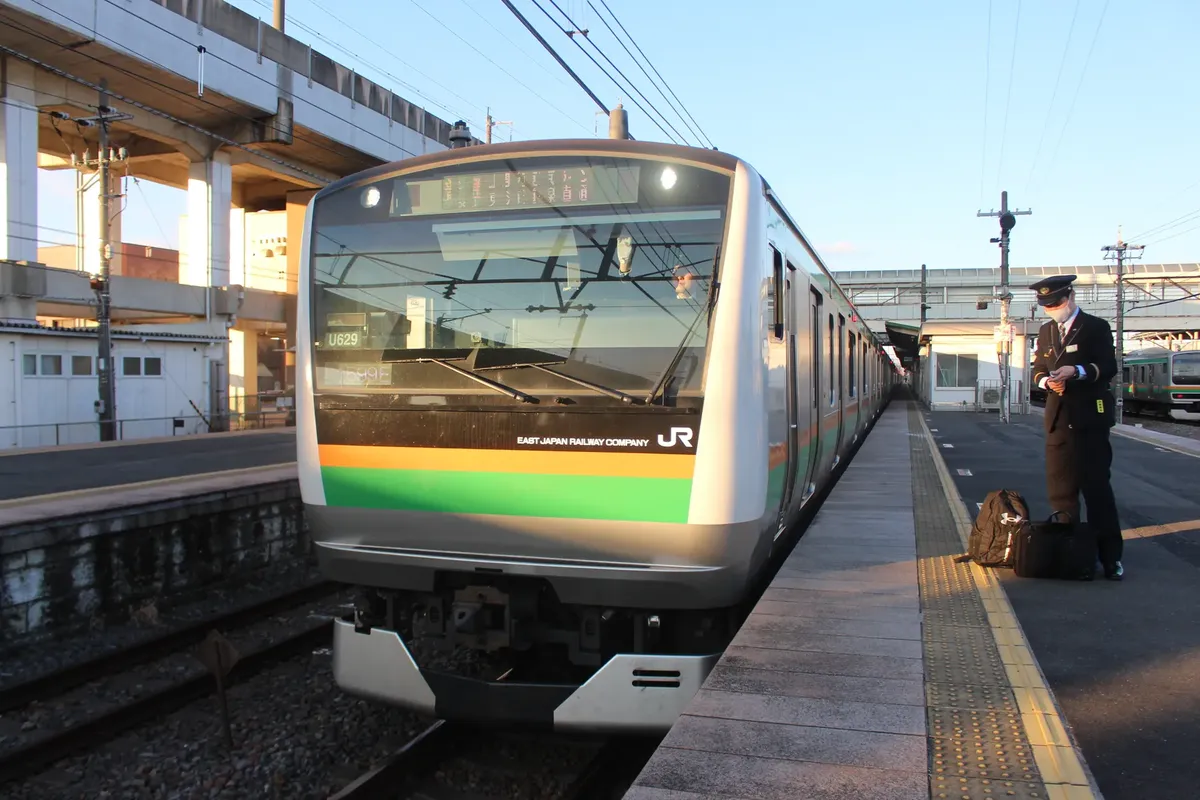
A traveler stands on a platform in Tokyo, watching the sleek silhouette of a train approach at high speeds. Japan pioneered high-speed trains with the bullet train, known by its Japanese name Shinkansen, which allows you to travel along almost the entire length of the country at up to 320 km/h.
This level of speed requires precise coordination and reliable data to ensure safety and timing.
The existing infrastructure relies on these high-speed capabilities to connect major cities efficiently. While the technology is advanced, the operational reality is shaped by specific time constraints.
For instance, the Shinkansen never runs overnight, requiring careful planning for long-distance travelers. This constant movement of people is supported by a high-technology share of manufactured exports, which reached 17.6% in 2024 according to World Bank data.
What are the operational limits of urban rail? Japan metro blockchain trust
A commuter checks their watch in a quiet station during the late-night hours. Most trains do not operate 24 hours; for example, in Tokyo they do not run in the early morning from 1:00 to 5:00. This gap in service means that the rail network is not a constant, 24-hour loop.
Understanding these gaps is essential for anyone navigating the city. Because the trains stop in the early morning, many bars and clubs are open until the first train runs again in the morning.
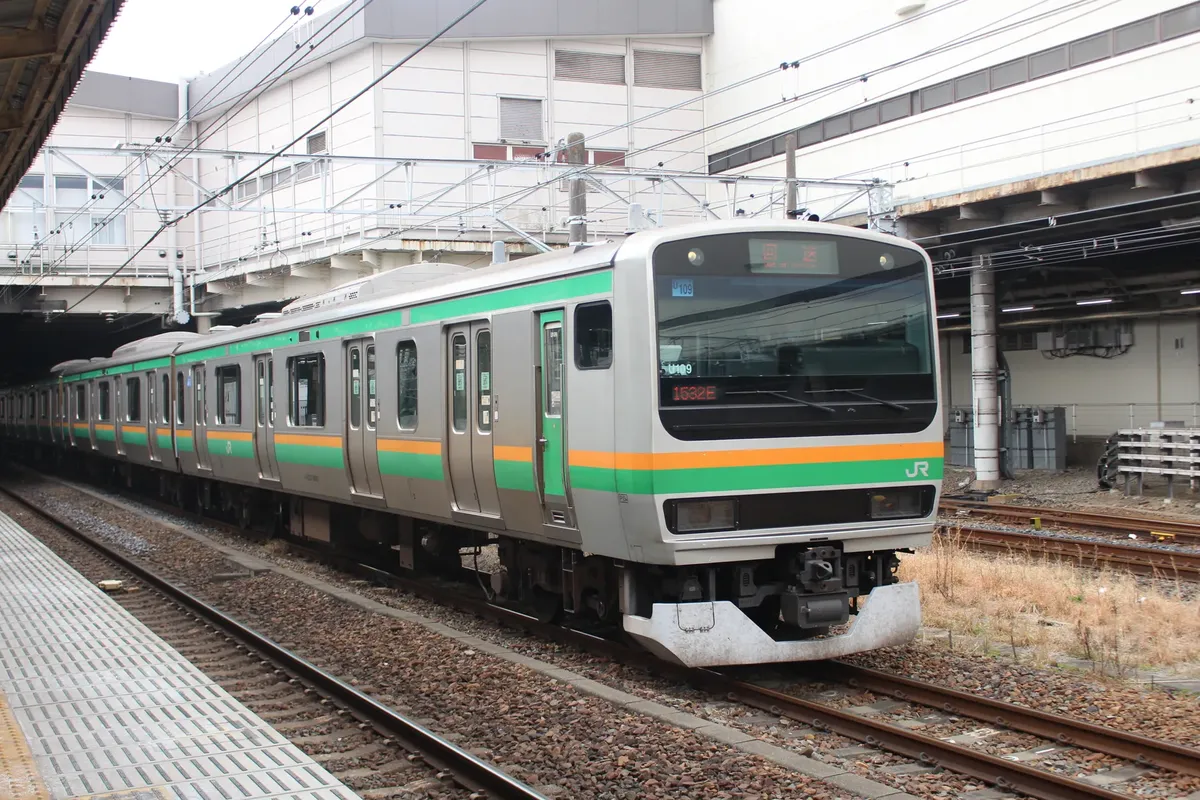
Travelers often manage this downtime by sleeping at a capsule hotel or 24-hour internet cafe like the locals do. This downtime in the schedule is a fixed reality of the current transit landscape.
According to World Bank, the 2024 record includes 85.5%.
How do long-distance tickets work in the rail system?
A traveler holds a paper ticket, checking the expiration date against their planned route. The rules for ticket validity depend heavily on the distance traveled between stations. These rules ensure that the system remains organized for both local and long-distance commuters.
The validity of a ticket is determined by the distance of the journey. For journeys over 100 km, tickets are valid for 2 days. For journeys over 200 km, the validity extends to 3 days. For every additional 200 km traveled, the ticket is valid for one more day.
I noticed that managing these timelines is crucial when planning multi-city trips.
What is the role of digital connectivity in transit?
A technician monitors a screen filled with real-time data streams in a control room. The push toward more integrated systems is supported by a highly connected population. According to World Bank data, Japan recorded a share of internet users of 85.5% in 2024.
This high level of connectivity provides the perfect environment for implementing new digital solutions in the rail sector. A city rail blockchain system could eventually manage these vast amounts of user data and scheduling.
Such a system would ensure that the high-technology share of the economy is reflected in the reliability of the transit network.
How can travelers manage overnight gaps in service?

A traveler looks for a place to rest after the last train has departed. When the trains stop running in the early morning, travelers must find alternative accommodations. This is a common scenario for those traveling late into the night.
To manage the lack of overnight service, you can follow these steps: 1. Identify the last train departure time for your specific route. 2. Book a capsule hotel or a 24-hour internet cafe in advance. 3. Plan your itinerary to align with the morning's first train.
Always check the specific schedule for your destination, as service times vary by line. This planning prevents being stranded in a station without transport.
What is the future of rail operation innovation?
An engineer looks over a blueprint for a new track layout. The goal is to combine traditional speed with modern data security tech to create a seamless experience. This vision of the future is built on the successes of the past.
The transition to more automated systems is a natural progression for a country with such advanced rail history. While the Shinkansen remains a symbol of speed, the focus is shifting toward the underlying data architecture.
This rail operation innovation will likely involve much more than just physical tracks.
| Feature | Detail |
|---|---|
| Shinkansen Top Speed | 320 km/h |
| Tokyo Morning Gap | 1:00–5:00 |
The integration of these technologies is limited to existing infrastructure and the specific operational windows of the current rail network.
Wikipedia: Economy of Egypt Based on the retained excerpt mentioning National Authority: In 2021, the National Authority for Tunnels signed a $4.5 billion contract with Siemens Mobility, Orascom Construction, and Arab Contractors to build a 660 km (410 mi) electrified high-speed rail line linking Ain Sokhna, Mersa Matruh, and Alexandria.
- How does Japan maintain high-speed rail efficiency?
- What are the operational limits of urban rail?
- How do long-distance tickets work in the rail system?
The subject here is Japan metro blockchain trust.
The same subject is also called Metro data security tech.
The same subject is also called Trust system for transit.
This part also covers Improving transit data safety.
This part also covers Future of rail operations.
Related




Comments 0