What are the limitations of current industrial data?
"The shift in industrial landscapes often begins with the subtle movement of resources and the quiet adoption of new digital tools."
Japan's technological evolution has significantly reshaped its economic structure, moving from heavy manufacturing toward more complex digital and service-oriented integration. This transformation involves balancing traditional production with modern efficiency to maintain global competitiveness.
This article examines the shift in the Japan tech industry through historical data and current economic indicators. Key takeaways include the stability of the manufacturing sector, the rise of digital connectivity, and the historical context of resource management.
How has the manufacturing sector shaped the Japan tech industry shift?
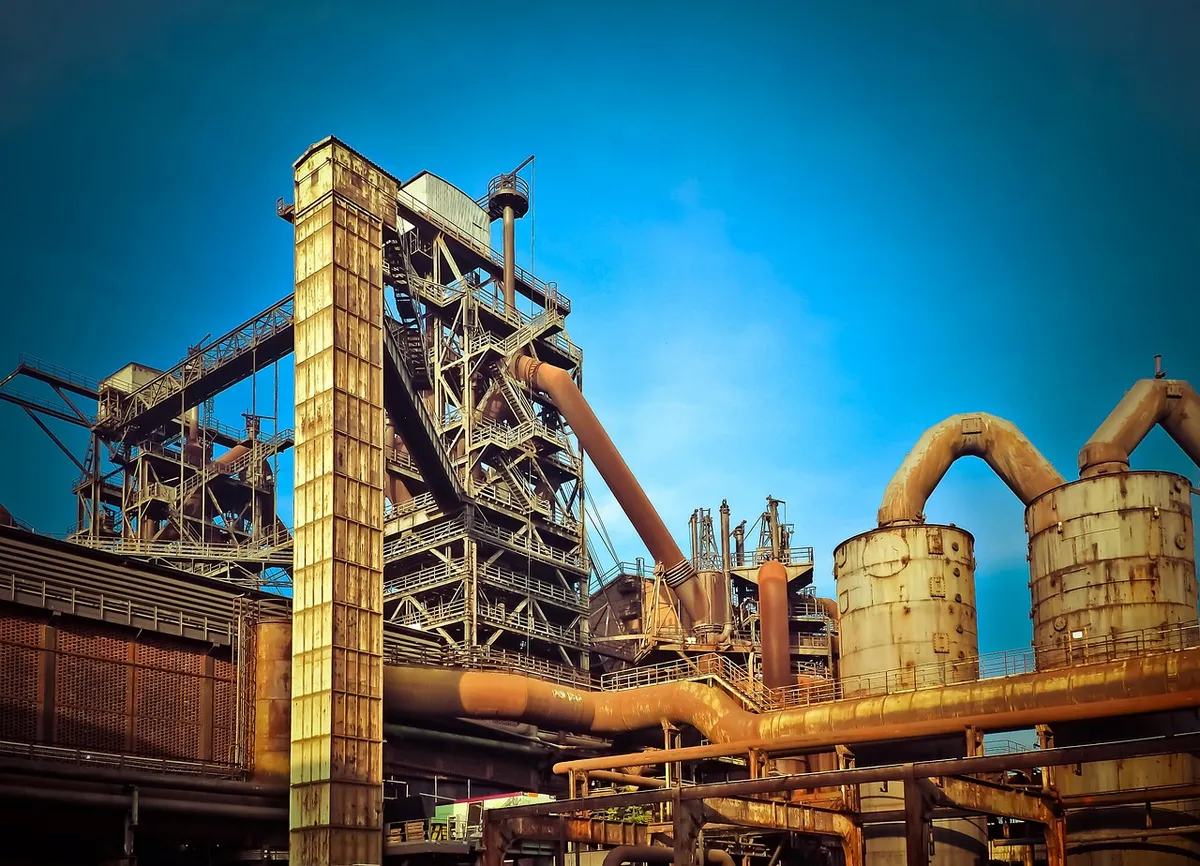
At sunset, a weary worker wipes sweat from his brow while staring at the heavy machinery that defines his physical limitations.
A factory floor hums with the sound of automated machinery processing raw materials into precision components. This foundational sector has long been the backbone of the national economy, providing the physical goods that drive global trade.
The manufacturing sector remains a vital component of the economic landscape. This level of production supports various high-tech supply chains and creates a base for further innovation.
Such a substantial share ensures that the physical production of goods remains a central pillar of the economy.
- Transition from hardware-centric production to integrated software solutions.
- Integration of automation technologies into existing assembly lines.
- Development of specialized components for global supply chains.
- In this sequence, the second step is the longest.
What role does digital connectivity play in the Future of Japanese industry?
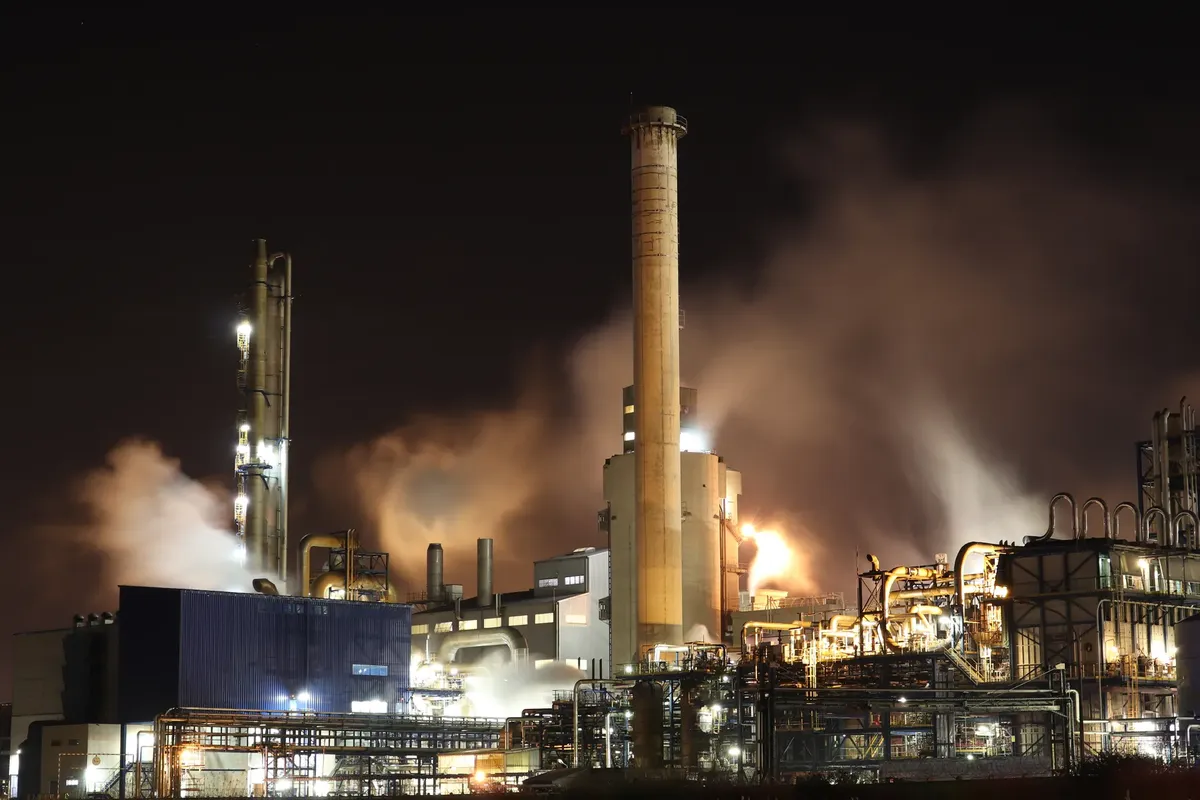
In the quiet office, she feels the cool hum of the server while typing late at night to bypass her digital limitations.
A person sits in a bright office, tapping on a laptop while high-speed signals travel through invisible networks. This digital environment creates the infrastructure necessary for modern business operations and consumer interaction.
Digital integration is deeply embedded in the daily lives of the population. This high level of connectivity facilitates the transition toward more data-driven industrial processes.
Such connectivity is essential for the ongoing evolution of the domestic market.
How did historical shifts influence the Industry structure change Japan?
An old assembly line stands silent in a museum, representing the era of rapid expansion and the birth of global automotive dominance. These historical milestones set the stage for the current technological environment.
The transition from heavy industry to specialized technology was driven by changing global trade dynamics. In the past, the automotive sector saw massive growth, with passenger car exports increasing nearly two hundred-fold in the sixties compared to the previous decade.
This growth eventually reached levels where they accounted for 17.0 percent of total production. Such shifts forced companies to innovate to overcome international trade barriers like import quotas.
What are the current economic trends for Tech firms in Japan?

A financial analyst reviews a spreadsheet showing fluctuating growth rates and investment trends across different sectors. These numbers provide a snapshot of the current economic momentum and stability.
Economic growth remains steady despite global fluctuations. According to World Bank data, Japan recorded GDP growth of 1.2% in 2025. This growth reflects the resilience of the economy as it navigates the complexities of the modern era.
While the pace is measured, it provides the stability needed for long-term planning.
How does resource management intersect with industrial progress?
A recycling facility processes tons of metal and paper, turning old products into raw materials for new manufacturing cycles. This process is critical for sustainable industrial growth in a resource-limited environment.
Managing waste and recycling has been a consistent part of industrial planning. For example, in 2006, about 99% of municipalities collected and recycled steel cans, even though the process was not regulated by law. This high level of participation helped maintain efficient resource loops.
Such historical management practices laid the groundwork for modern sustainability efforts.
What are the limitations of current industrial data?
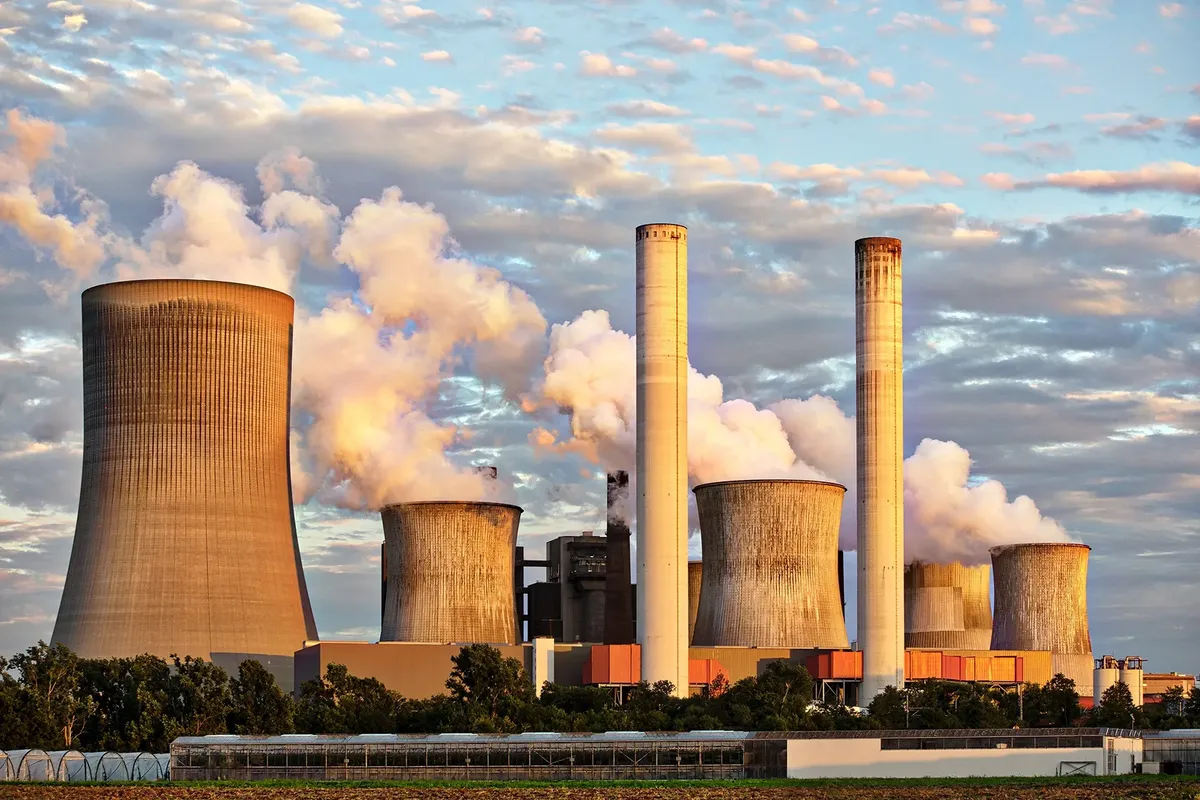
A researcher looks at a complex data set, noting the discrepancies between projected targets and actual results. This reality check is necessary to understand the true state of industrial efficiency.
One limitation in understanding industrial efficiency is the variance in reported material compositions. For instance, Oji Paper, the largest paper company in Japan, admitted that its copy and print paper contained 5 to 10% recycled paper, instead of the 50% stated.
This discrepancy highlights the importance of verifying specific material inputs in industrial reporting.
Related
- Japan social rule changes impact: Best tips for recycling
- Japan rate hike economic impact: How to guide policy shifts




Comments 0