Digital audio Japan culture: How technology reshapes music
"The evolution of sound is not just about hardware; it is about how a nation's digital infrastructure reshapes its cultural heartbeat."
Digital audio technology in Japan has transitioned from physical media to a highly integrated digital ecosystem, fundamentally altering how music is consumed and preserved.
This shift is driven by high connectivity and a robust manufacturing base, allowing for seamless sound delivery across various platforms.
This article explores the intersection of technological advancement and cultural impact, detailing the drivers of this change and the limitations of the current digital landscape.

Key takeaways: 1. High internet penetration facilitates rapid adoption of digital audio platforms. * A strong high-technology export base supports the hardware necessary for premium sound. * The shift from physical to digital has redefined the Japanese music industry's delivery methods.
How does digital audio Japan culture evolve?
A technician adjusts the sliders on a mixing console in a Tokyo studio, ensuring every frequency is crisp. The transition from analog tapes to digital files has redefined the sensory experience of music in the region. This evolution is deeply tied to the widespread availability of digital tools.
According to World Bank data, Japan recorded share of internet users of 85.5% in 2024. This high level of connectivity allows for the immediate dissemination of high-fidelity audio, making digital audio Japan culture more accessible to the general public.
The constant presence of the internet ensures that new sounds and genres can reach listeners instantly, fostering a rapidly changing musical landscape.
The constant flow of data through fiber optic cables and wireless networks creates a seamless environment for audio streaming. This connectivity acts as the backbone for modern sound delivery, allowing artists to reach global audiences without physical constraints.
What role does high-technology play in audio?
An engineer inspects a newly manufactured circuit board designed for a high-end DAC. The precision required for modern audio reproduction relies heavily on the manufacturing capabilities of the nation. This technical foundation is essential for maintaining high standards in sound quality.
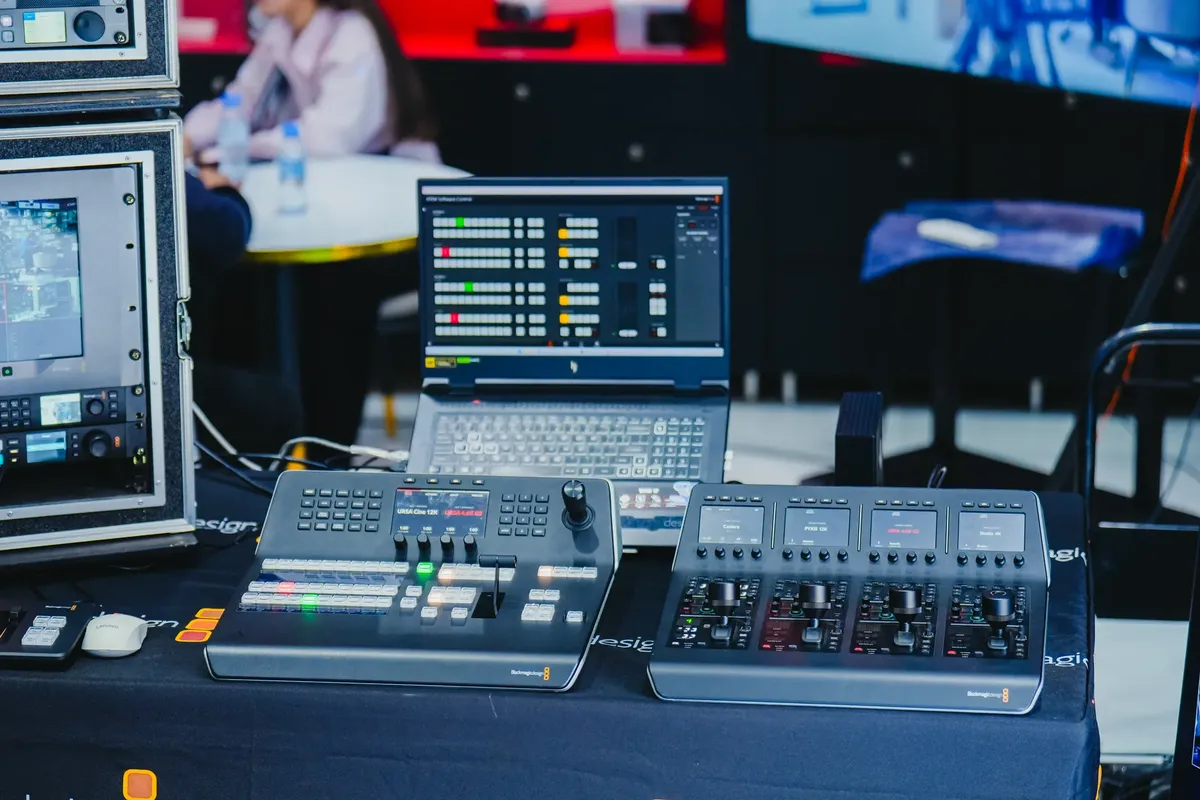
According to World Bank data, Japan recorded high-technology share of manufactured exports of 17.6% in 2024. This significant share in high-technology exports suggests a strong capability in producing the sophisticated hardware required for advanced audio processing.
Such manufacturing strength supports the development of specialized equipment that defines the local audio experience.
The intersection of hardware and software allows for much more complex soundscapes. This technical mastery ensures that the digital audio in J-pop and other genres remains high in quality.
How is the music industry shaped by these changes?
A producer sits in a quiet room, listening to a digital master track through high-resolution headphones. The traditional music industry has had to adapt to the realities of digital distribution and compressed file formats. This shift has changed how artists produce and market their work.
The digital audio music Japan industry has moved toward a model where accessibility is as important as fidelity. While physical media still holds a niche, the primary mode of consumption is now through cloud-based services.
This allows for a much larger variety of artists to find a foothold in the market.
This shift in the music industry is not just about convenience but about the democratization of sound. The ability to distribute music globally has changed the scale of artistic influence.
What are the drivers of audio tech cultural shift?
A listener scrolls through a playlist on a smartphone while commuting through a crowded station. The cultural shift toward digital consumption is driven by the mobility of modern life. As people move, their relationship with music becomes more portable and constant.
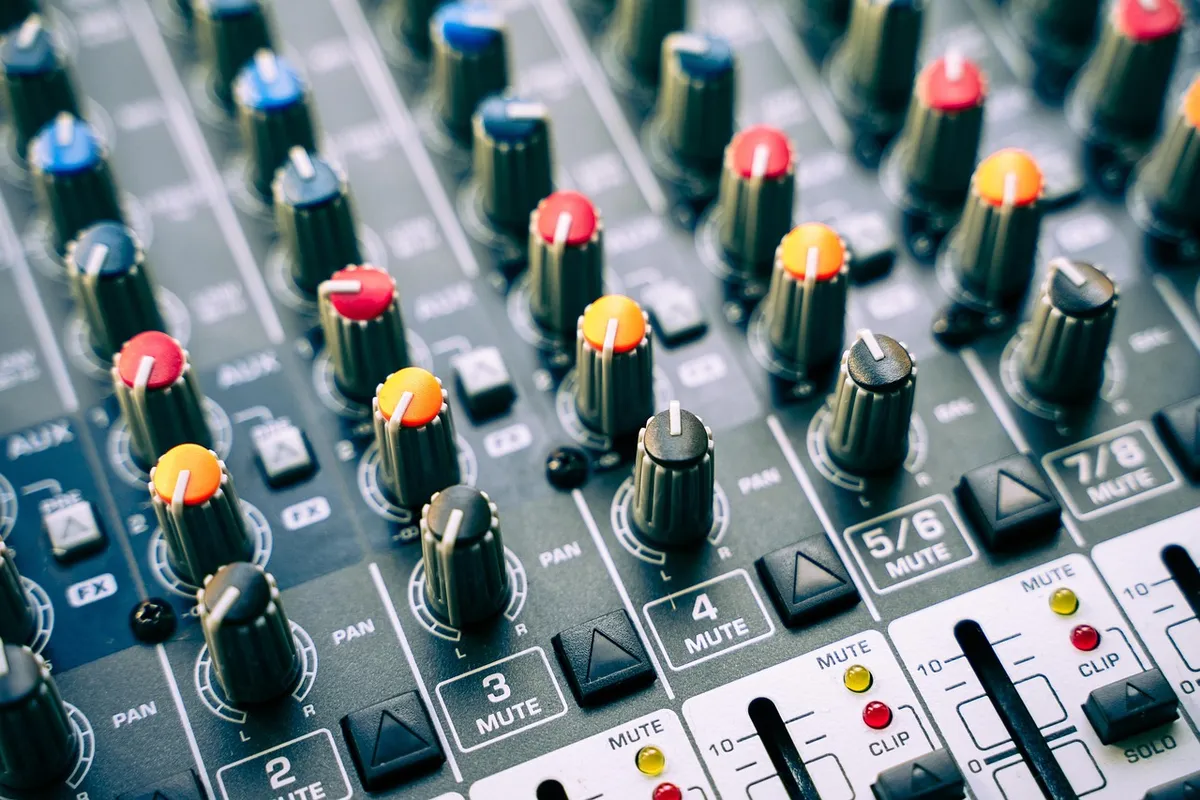
The audio tech cultural shift is characterized by the move from stationary listening to mobile, on-the-go experiences. This has led to a demand for compact, high-quality devices that can be carried anywhere. The culture of listening has become more personal and individualized.
This mobility requires constant innovation in battery life and wireless stability. The result is a culture where music is a constant companion in daily life.
How does sound technology Japan art integrate?
An artist uses a tablet to manipulate digital waveforms, blending traditional melodies with modern synthesis. The integration of sound technology into various art forms has expanded the boundaries of creative expression.
Digital tools allow for textures and sounds that were previously impossible to capture.
The way in which sound technology Japan art is created involves a blend of traditional aesthetic values and cutting-edge digital processing. This unique combination results in a distinct sonic identity that is recognizable globally.
Artists use these tools to push the limits of what is considered "music."
This creative expansion is fueled by the accessibility of sophisticated software. The digital era has provided a new canvas for auditory expression.
What is the impact of acoustic tech cultural change?
A musician adjusts the placement of a microphone in a room designed for perfect acoustics. The move from purely acoustic environments to digitally treated spaces represents a major shift in how sound is captured. This change affects both the recording process and the final listener experience.
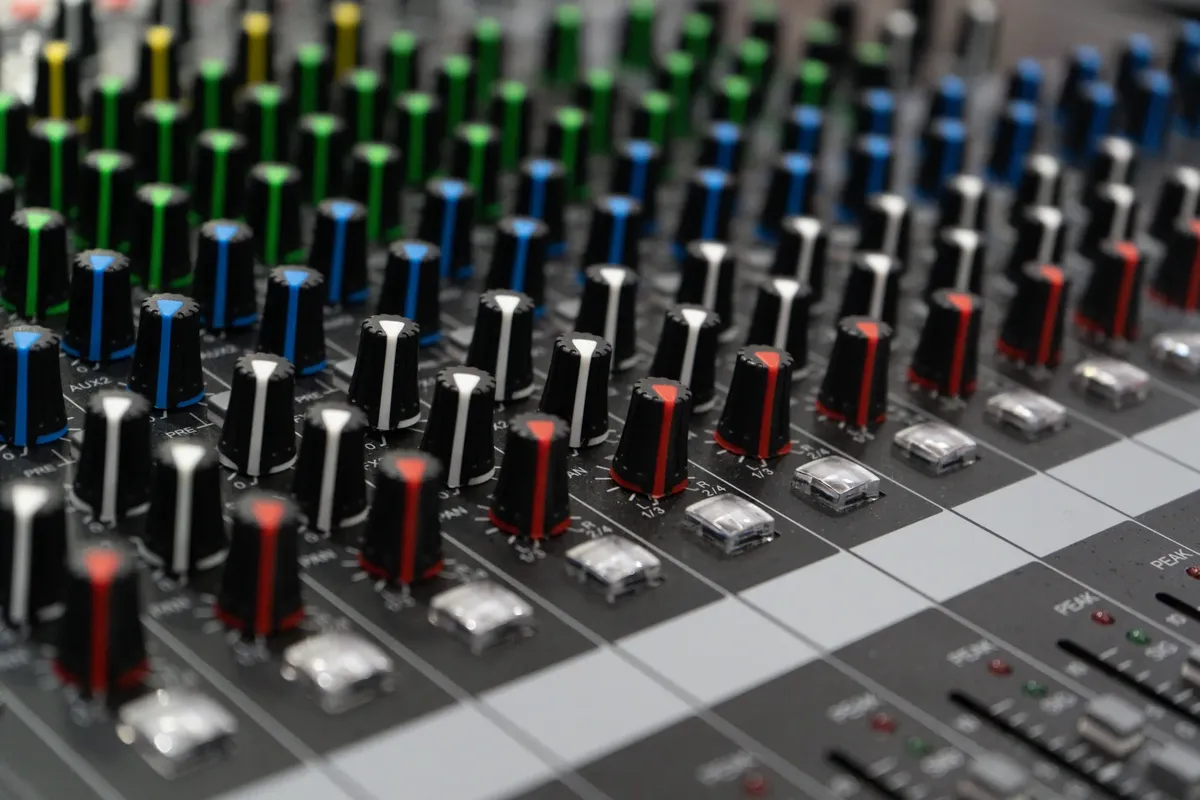
The acoustic tech cultural change involves a new understanding of how digital processing can simulate or enhance natural acoustics. This allows for versatile recording environments, from home studios to professional halls.
The focus has shifted toward managing the digital representation of physical space.
This change allows for a much broader range of sonic possibilities in modern recordings. The digital era has redefined the concept of "space" in audio.
- How does digital audio Japan culture evolve?
- What role does high-technology play in audio?
- How is the music industry shaped by these changes?
The same subject is also called Japan sound tech impact.
The same subject is also called Japanese sound evolution.
Related



Comments 0