Japan AI science research structure: How to guide change
"The landscape of scientific discovery is shifting as computational power merges with traditional laboratory inquiry."
Japan is currently undergoing a shift in its research and development landscape, driven by advancements in information technology and data-driven methodologies.
This Japan AI science research structure involves moving toward more integrated, computationally-capable facilities to meet modern technological demands.
Key takeaways include the evolution of specialized institutes, the role of international talent in research, and the necessity of adapting organizational structures to technological growth.
How is the Japan AI science research structure evolving?
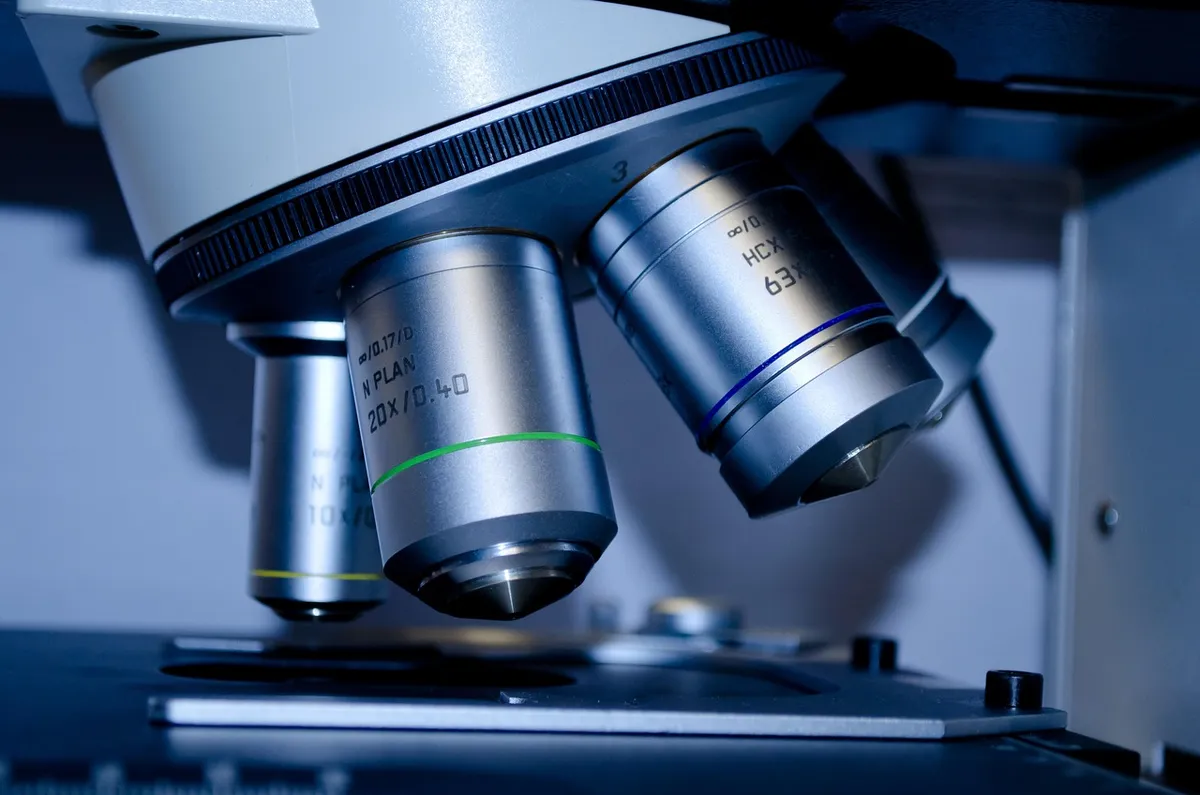
A researcher sits at a terminal in Chiyoda, watching data streams flow through a high-speed network. The National Institute of Informatics (NII) serves as a primary example of how specialized research centers adapt to technological shifts.
According to the OECD, more than 60% of research and development in scientific and technical fields is being driven by these evolving structures.
Located in Chiyoda, Tokyo, this institute represents a specialized hub for information-driven inquiry.
The institute developed and grew in accordance with advances in computer and Internet technology, eventually outgrowing the initial vision behind the National Center for Science Information Systems.
This growth reflects a broader pattern where research facilities must expand their scope to remain relevant. As computational needs increase, the Japan AI science research structure requires facilities that can handle massive data processing.
The shift toward data-centric research implies that traditional lab boundaries are dissolving. This AI driven lab reorganization ensures that information management becomes a core component of scientific output.
By integrating advanced computing directly into the research framework, institutions aim to bridge the gap between theoretical data and physical experimentation.
How do international programs support this research shift?
A student from a distant country arrives at a bustling Tokyo campus, ready to begin a intensive research term.
The National Institute of Informatics (NII) organizes a popular international internship that invites and funds students around the world to come to Japan and conduct research under guidance of professors at NII for up to 6 months twice a year.
This program facilitates a global exchange of knowledge.
These internships allow for a diverse influx of perspectives, which is vital for a science research structure shift. By bringing in global talent, Japanese institutes can integrate various methodological approaches into their local frameworks.
This movement of people helps build a bridge between domestic research and international technological trends.
The presence of international researchers ensures that the lab environment remains competitive and globally connected. This influx of talent supports the development of new protocols and data-handling techniques.
Such engagement is a key part of maintaining a high-level research environment in a rapidly changing technological era.
What are the practical steps for institutional adaptation?
A director reviews a series of organizational charts, looking for ways to integrate new digital workflows. Adapting to a new technological reality requires a structured approach to organizational change. The following steps outline how a research center might navigate this transition:
- Evaluate existing technological infrastructure to identify gaps in computational capacity. 2. Restructure departmental boundaries to allow for seamless data sharing across disciplines. 3. Implement training programs to bridge the gap between traditional scientific methods and new digital tools.
A final check involves verifying that these new structures do not hinder the speed of collaborative research. I observed how these changes require a balance between specialized focus and broad-based data accessibility.
This Japan tech development focus ensures that the institution remains at the forefront of its field.
How do these changes impact research outcomes?
A scientist compares a series of complex data models on a large screen, looking for patterns that were previously invisible. The shift toward data-heavy research directly influences the speed and accuracy of discovery.
This AI impact on research labs can lead to more efficient problem-solving and a higher volume of validated results.
The integration of advanced computing into the research workflow allows for more complex simulations. This capability is essential for modern scientific inquiry, where data-driven insights often precede physical testing.
By prioritizing these tools, institutions can accelerate the timeline from hypothesis to discovery.
However, this shift also requires a constant reassessment of resource allocation. Organizations must decide how to balance investments in physical laboratory equipment with investments in digital infrastructure. The success of this transition depends on how well these two pillars are integrated.
What are the limitations of this structural shift?
A technician monitors a cooling system in a server room, ensuring the hardware remains stable during intensive processing. While the shift toward digital integration offers many benefits, it is not without specific challenges.
One limitation is that the success of these new structures depends heavily on the availability of specialized hardware and high-speed connectivity.
The ability to implement these changes is limited by the specific technological maturity of the institution. For example, a facility heavily reliant on legacy hardware may struggle to adopt data-intensive workflows.
This constraint can create a divide between well-funded centers and smaller, specialized research units.
Moreover, the shift toward computational research requires a specific type of expertise. If the workforce cannot keep pace with the technological changes, the structural reorganization may fail to meet its intended goals.
Therefore, human capital remains a critical factor in the success of any research reorganization.
- How is the Japan AI science research structure evolving?
- How do international programs support this research shift?
- What are the practical steps for institutional adaptation?
This part also covers AI data analysis lab changes.
This part also covers Future research outcome shifts.
This part also covers Scientific innovation restructuring.
AI data analysis lab changes
Related







Comments 0