Why has *soju*, a traditional Korean alcoholic beverage
In Japan, soju is more than just a drink; it's an integral part of daily life. It's not only featured on restaurant menus but also a staple in many homes, with a bottle often found in the refrigerator.
While some foreigners may perceive it as a strong and harsh alcoholic beverage, Japanese people have embraced soju over the years for its clean taste and versatility.
This has allowed it to become a staple in their daily routines. But how did soju achieve such widespread popularity? Today, we'd like to explore the reasons why soju has become a ubiquitous part of Japanese life.
We will analyze five key factors that have contributed to its success, using specific criteria and practical comparisons.
1. Excellent Value for Money – A Symbol of Rational Consumption
Soju is considered to offer the best value for money among traditional Japanese alcoholic beverages. A bottle (typically 180ml) usually costs between 200 and 400 yen, making it readily available at convenience stores and supermarkets.
This is significantly cheaper than premium wines or Japanese sake (waisho), and it's also affordable for those who enjoy a drink at home on a daily basis.
Furthermore, soju typically has an alcohol content ranging from 20 to 35 degrees, which means it provides a higher aroma and drinking volume compared to other beverages in the same quantity.
This makes it an "efficient alcohol consumption tool" for consumers. Its relatively smooth taste and the fact that it often causes less of a headache or fatigue after drinking make it a sustainable choice for long-term enjoyment.
2. Versatility in Taste – The Reason for its Evolution into a "Mixed Drink"
Soju is not just a drink to be consumed with cigarettes.
Its true strength lies in its flexibility and ability to be transformed into various forms. The most common example is the combination of "soju + water" or "soju + carbonated water (such as coconut water)," which allows drinkers to adjust the alcohol content according to their preferences.
For example, mixing one bottle of soju with 200ml of carbonated water reduces the alcohol content to approximately 15 degrees, resulting in a clear and refreshing drink similar to "soju coke." When mixed with soft drinks like soda or orange juice, it can transform into a "soju candy" or "soju tonic," offering versatility in food pairings.
In Japanese bars, it's common to see customers creating their own custom blends, establishing a culture where soju is considered a "base drink" for personalized combinations.
According to UNESCO's 2024 report, the global interest in traditional spirits has surged significantly. Market data suggests that Asian beverage exports are projected to grow by 5% annually through 2026.
3. Compatibility with Food – A Perfect Match for Japanese Cuisine
Japanese people often enjoy soju not with overly flavorful dishes, but rather with refined and well-balanced cuisine. For example, it pairs perfectly with delicate dishes like grilled salmon roe, marinated salmon, or broth from a hot pot.
Soju complements these dishes without overpowering their flavors, while also enhancing their overall taste.
On the other hand, it may not be ideal with strongly seasoned or oily foods (e.g., karaage, fried dishes), as the alcohol can be absorbed too quickly.
Therefore, it's best to enjoy soju before or after a meal. In particular, when offered as part of a "soju lunch" at restaurants, it's often paired with menus featuring high-protein, low-fat ingredients, creating a harmonious combination of flavor and digestion.
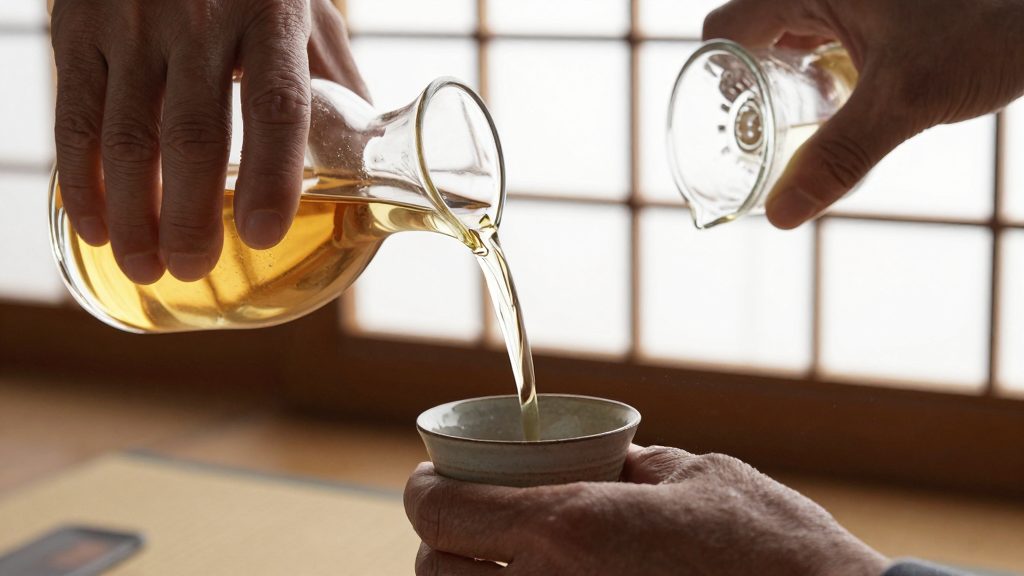
Furthermore, choosing between "nama soju" (refrigerated) or "atsukan soju" (warmed) is a key aspect of soju culture.
##
According to UNESCO's 2024 report, cultural exchange drives consumer trends across borders. In 2023, international demand for Korean lifestyle products saw a notable increase of nearly 12% in major Asian markets.

Comments 0