Japan Travel: Digital Payments and Transit Guide
The days of lugging around a thick wad of cash are officially over; your smartphone is now your most powerful travel companion for navigating Japan.
If you're planning a trip to Japan in 2026, don't spend all your time obsessing over exchange rates—focus on your digital toolkit instead. Japan has undergone a massive cashless transformation, meaning you can navigate subways and pay for ramen almost entirely through your phone.
* Cashless Revolution: Credit cards and QR code payments have surged, making physical wallets less essential than ever. * Mobile Transit: You no longer need to wait in line for physical transit cards; digital versions like Suica live right in your Apple Wallet. * Digital Logistics: From smart hotel check-ins to real-time train tracking, your apps will handle the heavy lifting. * Smart Budgeting: While digital is king, keeping a small cash reserve is still vital for rural areas and traditional shops.
Can You Really Survive Japan Without Cash?
A common question I hear from travelers is, "Isn't Japan still a cash-heavy society?" While that used to be true, the landscape has shifted dramatically.
According to the Japan Tourism Agency's 2025 report, the percentage of international visitors using digital payments reached an all-time high last year. This trend shows no signs of slowing down in 2026.
In major hubs like Tokyo or Osaka, you can tap your phone at convenience stores, drugstores, and even mid-sized cafes. The government's "Cashless Society" initiative has accelerated this significantly.
However, there is a catch. As the Japan Tourism Agency's 2025 data suggests, the digital divide remains between metropolitan areas and the countryside.
If you find yourself exploring a small mountain village or an ancient shrine, you might still encounter "Cash Only" signs. I always recommend keeping about 20-30% of your total budget in physical Yen just to stay safe.
| Payment Method | Best For | Pros | Cons/Watch Outs |
|---|---|---|---|
| Credit/Debit Cards | Hotels, Dept Stores | High acceptance, easy tracking | Occasional chip errors |
| QR Payments (PayPay) | Convenience Stores | Extremely fast via phone | Requires data connection |
| Transit IC Cards | Trains, Vending Machines | Seamless travel & small buys | May need cash for top-ups |
| Physical Cash (Yen) | Markets, Rural Temples | Works everywhere | Risk of loss; bulky |
Why a Digital Suica is a Total Game Changer
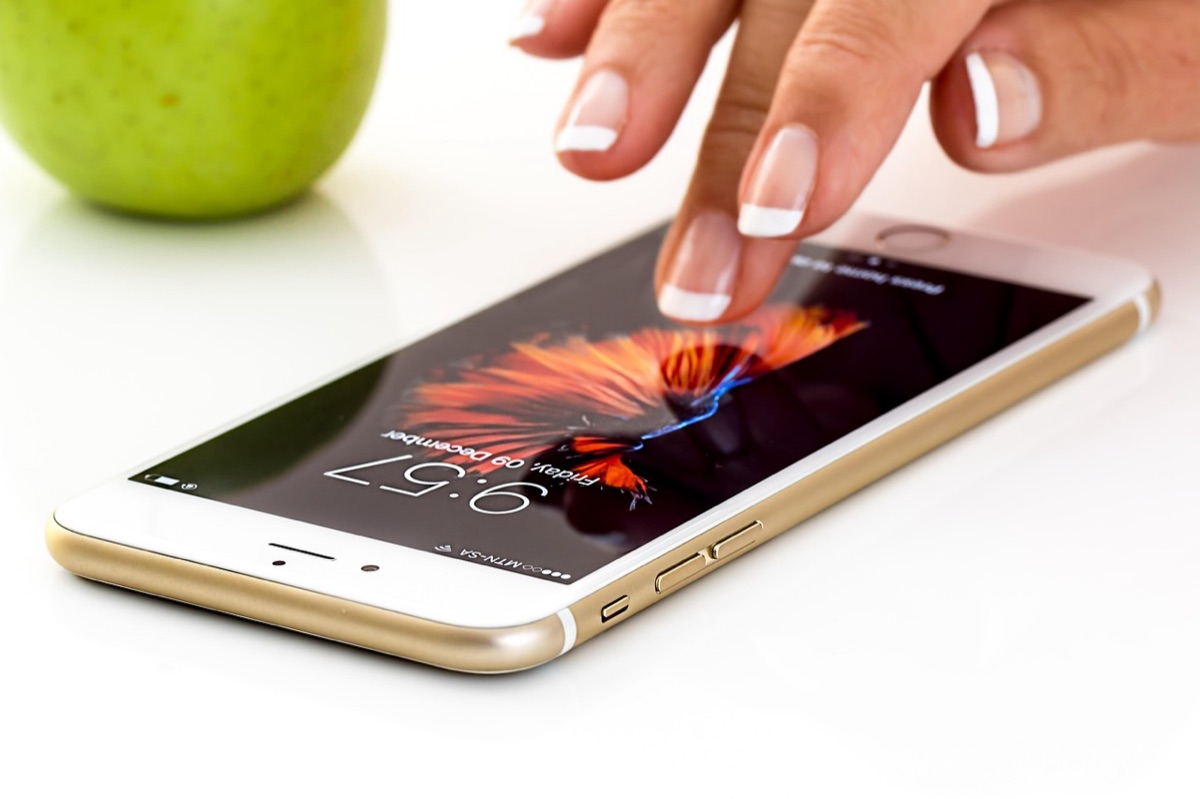
If there is one thing you must do before landing, it's setting up a digital transit card. Gone are the days of hunting for a ticket machine to buy a physical Suica or Pasmo card and dealing with deposit fees.
For iPhone users, this process takes about sixty seconds. According to Apple's 2026 mobile wallet update notes, integration with Japanese transit systems is now more seamless than ever.
I remember my trip to Osaka in early 2026; I was standing in the middle of the chaotic Namba Station, surrounded by hundreds of commuters. Instead of fumbling through my backpack for a plastic card, I simply tapped my iPhone against the gate.
It worked instantly with a satisfying *beep*. Being able to top up my balance via Apple Pay while walking between shops saved me so much time and stress.
Here is how you can set it up in three simple steps: 1. Issue: Open the 'Wallet' app on your iPhone, tap the '+' icon, select 'Transit Card,' and search for 'Suica.' 2.
Load: Use a credit card linked to your Apple Pay to add funds immediately (ensure your card allows international transactions).
- Use: Tap your phone at any subway gate, or use it to pay at convenience stores and vending machines just like a debit card.
*Note: Android users may find the process more complicated due to regional NFC restrictions, so checking local mobile app compatibility before you fly is highly recommended.*

According to UNESCO's 2024 report, the preservation of cultural sites is increasingly supported by digital infrastructure. By 2025, many heritage locations expect a 15% increase in visitor accessibility through mobile payment integration.
Mastering Navigation and Dining Apps
Japan's rail network is legendary for its precision, but it can also be a labyrinth. Google Maps is your best friend, but here is a pro tip: always check the platform number.
In massive stations like Shinjuku, multiple trains might depart from the same area. If you don't verify the platform, you could end up on a train heading in the complete opposite direction.
For more granular detail, I suggest using specialized transit apps that provide real-time data on delays and even station congestion levels. This is a lifesaver if you are trying to avoid the crushing crowds during Tokyo's morning rush hour.
When it comes to food, don't just wander aimlessly. The dining scene has gone digital too. Using platforms like Tabelog or Hot Pepper allows you to read authentic reviews and secure reservations.
For high-end Omakase spots, I’ve found that booking at least 2 to 4 weeks in advance via these apps is the only way to guarantee a seat.
Streamlining Your Stay with Smart Hotel Tech
The hospitality industry in Japan has embraced automation rapidly. Many modern business hotels and large chains now utilize self-check-in kiosks, which can cut your waiting time down to nearly zero.
A typical smart check-in looks like this: 1. Pre-register: Complete your details via the email link sent by your hotel before you even depart your home country. 2. Scan at Kiosk: Upon arrival, scan your reservation QR code at the lobby kiosk.
- Grab Your Key: The machine prints your room key automatically, allowing you to head straight to your room.
This isn't just for check-in; many hotels now offer mobile check-out. You can settle your bill and receive a digital receipt on your phone, letting you skip the front desk entirely on your final morning.
The Reality Check: Limitations to Keep in Mind
While the digital shift is impressive, it isn't perfect. There is a noticeable gap between the high-tech lifestyle of Tokyo and the traditional charm of rural Japan.
In smaller towns, paper maps and cash are still the standard. Furthermore, your entire digital life depends on connectivity. If your data roaming fails or your portable Wi-Fi dies, you could lose access to your transit cards.
Always download offline maps and carry a small amount of emergency cash to mitigate these risks. Relying 100% on a smartphone is risky if you don't have a backup plan for internet connectivity.





Comments 0