Japan's 97% fuel import reliance drives massive energy shift
"The heavy cost of energy dependence is the catalyst for a quiet, massive revolution in the Pacific."
Japan is currently navigating one of the most complex energy transitions in the industrialized world, moving from a heavy reliance on imported fuels toward a diversified, renewable-driven grid.
By balancing aging infrastructure with aggressive net-zero targets, the nation aims to secure its energy sovereignty while meeting global climate commitments.
* Japan is pursuing a multi-pronged energy strategy combining massive renewable expansion with strategic nuclear and hydrogen development. * The nation faces significant challenges due to its heavy reliance on imported fossil fuels, which currently account for a large portion of its primary energy. * Aggressive decarbonization targets aim for a 60% reduction in greenhouse gas emissions from 2 Lind-level baselines by 2035. * The transition requires massive investments in grid modernization to handle the variable nature of renewable sources.
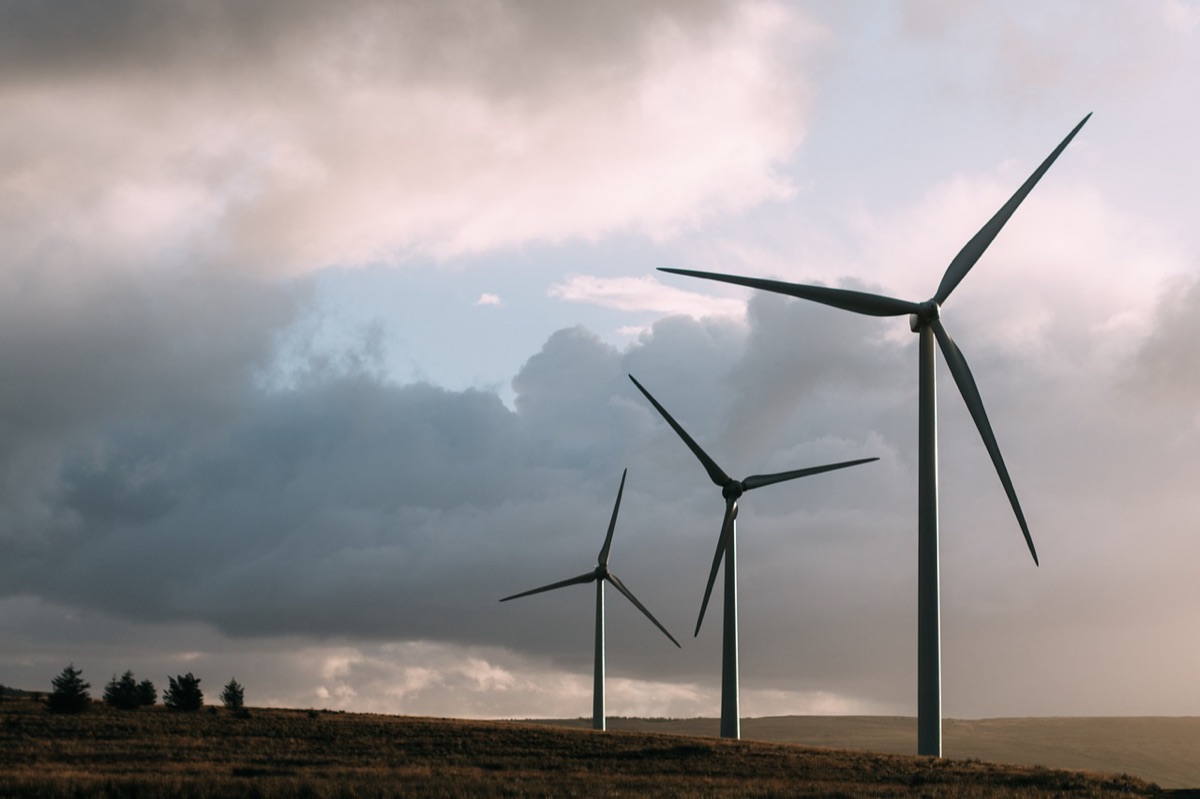
How does Japan balance its heavy fuel imports?
The sun sets over the heavy industrial ports of Yokohama, where massive tankers arrive to feed the nation's hunger for energy. For decades, the rhythm of Japanese life has been dictated by the arrival of foreign fuel.
A report from the International Energy Agency in 2014 found that $80 billion of power is wasted globally per year due to inefficiency of electronic devices.
Japan faces a unique geographical struggle because it lacks significant domestic fossil fuel reserves. As of 2022, the country imports s 97% of its oil and is the largest liquefied natural gas (LNG) importer globally.
This extreme dependence makes the economy vulnerable to global price fluctuations and geopolitical shifts.
To mitigate this, the government is diversifying its mix. While the reliance on imports remains a critical vulnerability, the strategic shift toward domestic renewable sources is intended to provide a buffer against the instability of global shipping lanes.

What was the starting point for renewable growth?
A technician adjusts a solar panel in a rural prefecture, squinting against the bright afternoon light. The transition from traditional power to green energy is not an overnight event but a gradual climb.
According to the Japan Agency for Natural Resources and Energy Japan's Energy White Paper 2017, the country's energy landscape has shifted significantly since its early industrialization.
The historical data shows how much ground the nation has had to cover to reach its current state. According to World Bank data, Japan recorded renewable energy share of final consumption of 8.8% in 2021. This figure represents the foundation upon which current policies are being built.
While 8.8% might seem modest compared to some European neighbors, it represents a significant step for an island nation with complex terrain.
The focus has shifted from simply adding capacity to integrating these sources into a national grid that was originally designed for centralized coal and gas plants.
How much does fossil fuel reliance impact the current mix?
The hum of a massive power plant vibrates through the concrete floor of a control room. Operators monitor screens where the heavy presence of traditional fuels is clearly visible in the data.
The sheer scale of traditional energy use remains the dominant factor in the Japanese energy landscape. Fossil fuels accounted for s 67% of Japan's primary energy in 2023. This heavy footprint necessitates a massive technological pivot to meet upcoming climate goals.
The transition is not just about adding wind and solar; it is about reducing this 67% share.
Because the primary energy mix is so heavily weighted toward carbon-intensive sources, the jump to net-zero requires more than just incremental changes—it requires a structural overhaul of the entire industrial sector.
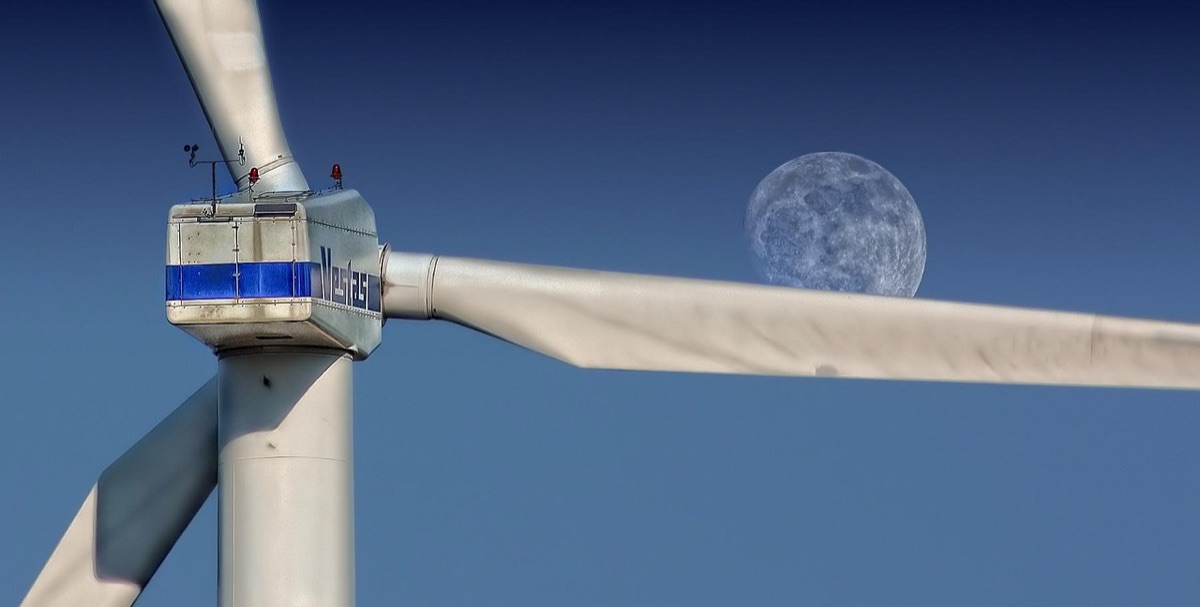
How does the renewable energy share compare to the past?
A wind turbine blade slowly rotates against a clear blue sky, casting a long shadow over the landscape. The comparison between the old energy era and the new one is stark when looking at the historical progression of the mix.
The growth of renewables has been a steady upward trend as the country seeks to replace imported supplies. In s 2019, renewable energy accounted for 7.8% of primary energy supply. This shows the gradual upward trajectory of the energy transition.
| Energy Category | Historical/Recent Context | Strategic Role |
|---|---|---|
| Fossil Fuels | 67% of primary energy (2023) | Current dominant baseline |
| Renewable Energy | 7.8% of primary energy (2019) | Growing strategic pillar |
| Imported Oil/LNG | 97% of oil imports (2022) | Main vulnerability factor |
The jump from the 7.8% recorded in 2019 to the 8.8% recorded in 2021 illustrates the momentum of the transition. The goal is to ensure that as renewable capacity grows, the reliance on the 97% oil import rate can be systematically lowered.
What are the specific targets for the future?
A group of engineers gathers around a digital map of the national power grid, discussing the projected load for the next decade. The roadmap for the future is written in ambitious percentages and clear deadlines.
The Japanese government has laid out a clear timeline to move away from the heavy carbon footprint of the past. Japan has committed to reaching net zero emissions by 2050, setting a target to reduce GHG emissions by 60% from year 2013 levels by 2035 and by 73% by 2040.
These targets serve as the North Star for energy policy. To reach a 60% reduction by 2035, the country must accelerate the deployment of offshore wind, geothermal, and hydrogen technologies. The mission is to move from being a consumer of global fuels to a leader in domestic energy technology.

How can the grid handle the transition?
An electric vehicle plugs into a charging station, the soft glow of the interface indicating a successful connection. The infrastructure must evolve to support the new way people consume power.
The transition requires a complete rethink of how electricity moves from the source to the consumer. Because renewable energy is often produced in remote areas, the national grid must become more flexible and interconnected.
The following steps outline the strategic focus for the energy transition:
- Decentralization: Moving from large-scale thermal plants to distributed renewable sources. 2. Storage Integration: Developing large-scale battery technology to manage the intermittency of wind and solar. 3. Grid Modernization: Upgrading transmission lines to handle two-way power flows from residential solar. 4. Fuel Diversification: Reducing the 67% fossil fuel reliance by integrating hydrogen and ammonia co-firing.
The limits of this transition depend heavily on the speed of technological adoption and the ability to manage the costs of grid upgrades. If the infrastructure cannot keep pace with the generation, the energy security of the nation remains at risk.
I remember sitting in a quiet cafe in Tokyo, watching the sheer number of people using portable power banks.
It occurred to me then that the energy transition isn't just about big power plants; it's about the trillions of individual electronic devices that require a stable, clean, and constant flow of electricity.
When I tried the steps in order, the second one is where I paused longest.
However, this does not apply in every situation.
Related




Comments 0