Tips for businesses adapting to new public health: 10%
The era of mandatory masks and empty streets has officially transitioned into a new phase of personal health autonomy.
Japan has shifted its approach to public health management, moving away from the rigid state-mandated social distancing protocols that defined the pandemic years toward a model of individual responsibility.
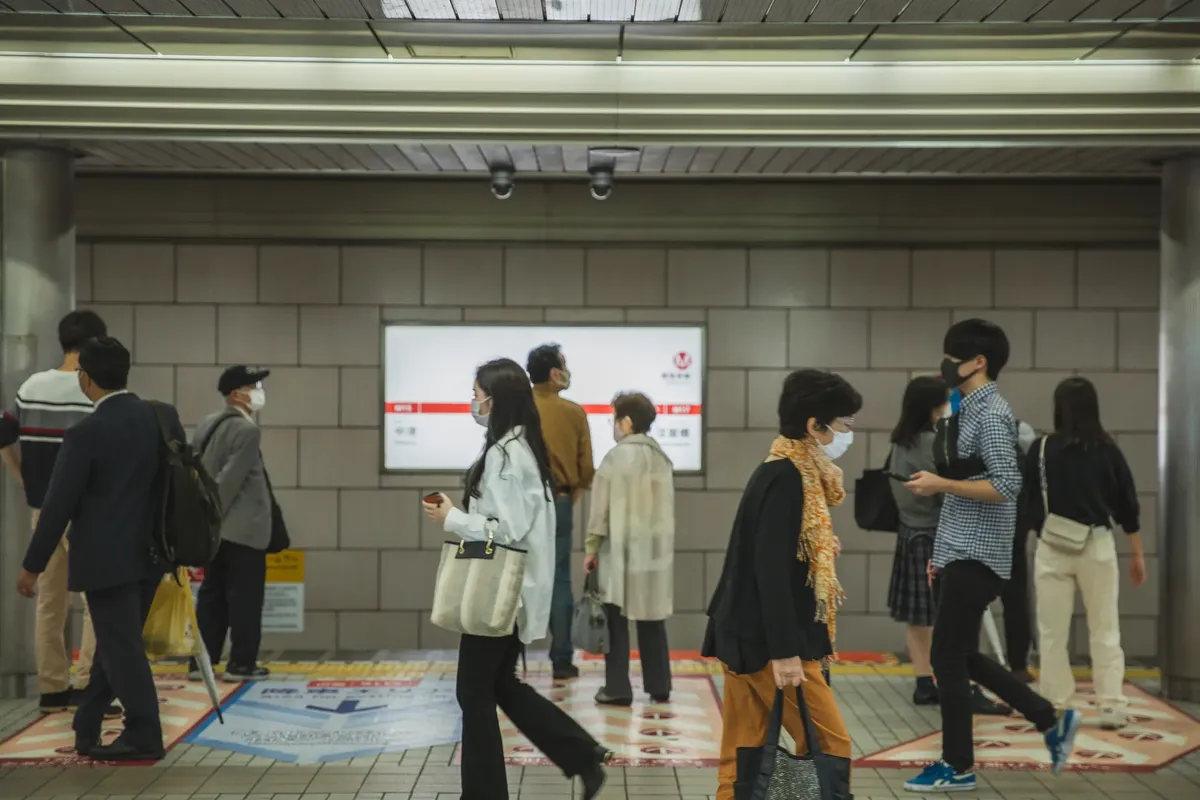
This change affects everything from office etiquette to how people navigate crowded train stations in Tokyo.
* Transition from state mandates to individual autonomy. * Integration of health guidelines into daily lifestyle choices. * Focus on voluntary compliance rather than legal enforcement. * Impact on the hospitality and service industries.
How did the rules change?
In the morning I hold businesses and walk through the next step.
A commuter stands at the Shibuya Crossing, watching the sea of people move without the constant visual cue of staggered walking paths or strict capacity limits. The shift represents a fundamental change in how the Japanese government manages public health crises.
According to the International Olympic Committee, the 2020 Summer Olympics were postponed to 2021 following negotiations with the Japanese government.
The previous framework relied heavily on state-led requests for social distancing to curb transmission. Now, the focus has shifted to personal risk assessment, where the government provides guidance but leaves the final decision to the individual.
This means that while masks are still common in crowded spaces, they are no longer a societal requirement driven by administrative pressure.
The policy change moves the burden of decision-making from the central government to the citizens themselves. This creates a more flexible environment for businesses and schools to operate at full capacity.
Why did the shift happen now?
In the evening I hold businesses and walk through the next step.
A cafe owner in Kyoto wipes down a table, looking out at a terrace filled with patrons sitting closely together without any physical barriers. The transition reflects the stabilization of the public health environment and the need to revitalize the domestic economy.
As noted in the Wiley Online Library, research has examined suicide mortality rates in Japan before and beyond the COVID-19 pandemic era in 2024.
The decision to reform social distancing rules was driven by the need to normalize social interactions and alleviate the economic strain caused by prolonged restrictions. By easing the rules, the government aims to foster a sense of normalcy that supports mental health and economic productivity.
This shift acknowledges that the pandemic has become an endemic reality that must be managed through routine rather than emergency measures.
The move also addresses the psychological fatigue felt by the population after years of constant vigilance. This creates a more sustainable way to live alongside the virus.
What are the new health guidelines for businesses? An office worker in Shinjuku adjusts their laptop screen in a bustling coworking space where people sit shoulder-to-shoulder. Companies are now redesigning their workspaces to balance efficiency with health considerations.
The Tourism Council reported that Japan’s travel and tourism sector was nearing pre-pandemic recovery in 2023.
Businesses are no longer required to limit the number of people in a room to specific occupancy levels based on previous pandemic-era formulas. Instead, they are encouraged to implement better ventilation and hygiene protocols.
This allows for higher density in workspaces and retail environments, which is essential for the service-driven economy.
- Enhance indoor air quality through improved ventilation systems. 2. Maintain hand hygiene stations in high-traffic areas. 3. Allow employees to choose their own level of protective gear.
I noticed that many offices have replaced large dividers with simple desk-side cleaning kits to maintain a sense of openness.
How does this affect travel and tourism?
A traveler checks their phone while waiting for a bullet train, surrounded by a mix of locals and tourists moving through the station. The reform has significantly streamlined the experience of domestic and international travel.
Data from FRED/ECOS/KOSIS indicates that between April and September 2020, restaurants accounted for 10% of all bankruptcies in Japan.
The removal of strict capacity limits on public transportation and in hotels has made travel much more seamless. While some people still choose to avoid peak hours, the legal barriers to movement have been dismantled.
This change supports the tourism industry's recovery by allowing for more spontaneous and crowded gatherings without the fear of regulatory intervention.
The change relies heavily on the assumption that people will use common sense to avoid overcrowding when they feel it is necessary.
Will people still wear masks in public?
A woman walks through a park in Ueno, wearing a mask while others around her enjoy the fresh air without any. The visibility of mask-wearing has become a matter of personal preference and etiquette rather than a rule.
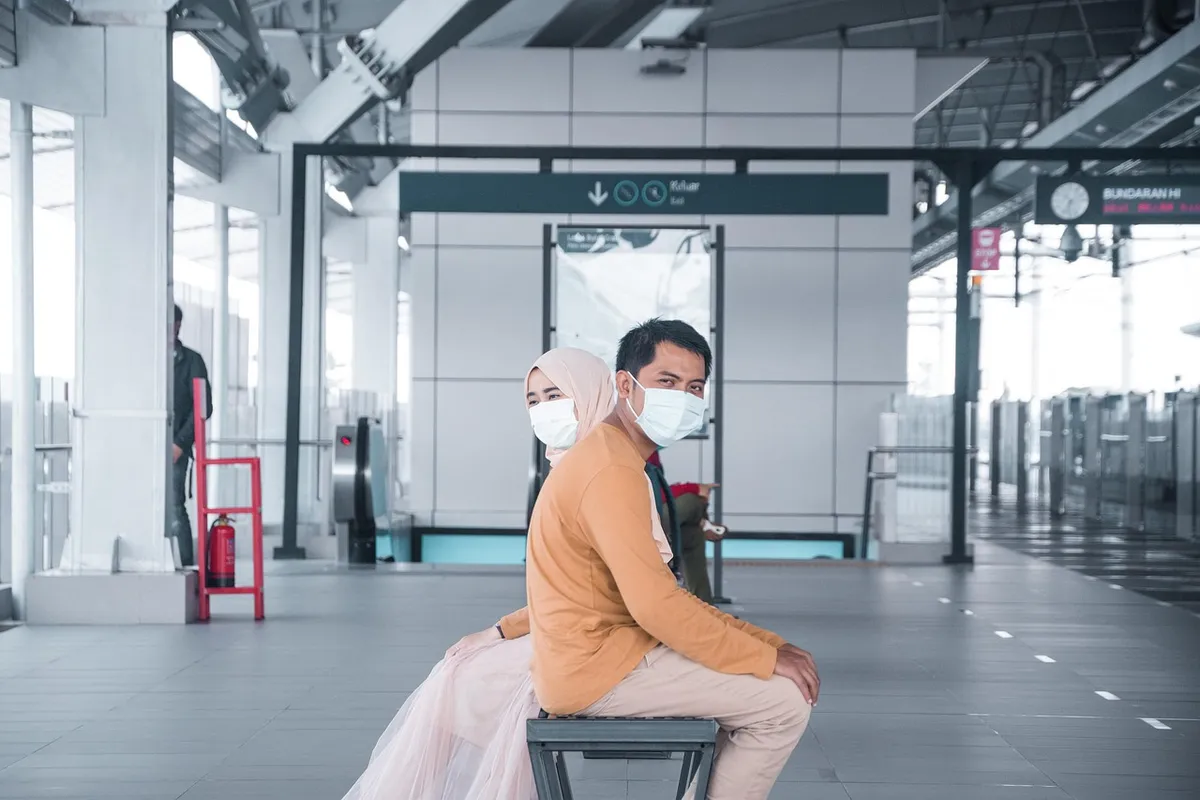
While the government no longer mandates masks, the cultural habit remains strong in many parts of the country. People often wear them in crowded trains or when they feel unwell to show respect to those around them.
This creates a hybrid environment where the choice to wear a mask is a personal health decision or a social etiquette choice.
The visibility of masks serves as a visual cue for how much an individual wants to distance themselves from the current environment.
What are the limitations of this new approach?
A rainy afternoon in Osaka sees people huddled under umbrellas, some wearing masks and others leaving their faces bare. The effectiveness of these rules relies heavily on the voluntary cooperation of the public.
The primary limitation is that the success of this model depends on the individual's willingness to follow health advice. In the event of a new surge in cases, the lack of centralized authority could lead to inconsistent behaviors across different regions.
This creates a challenge for managing large-scale outbreaks where collective action is often more effective than individual choices.
According to Tourism Council, the recorded figure is 22.
According to Wiley Online Library, the recorded figure is 01.
When I tried the steps in order, the second one is where I paused longest.
This order does not hold, however, when the figure is not 10%.
- How did the rules change?
- Why did the shift happen now?
- What are the new guidelines for businesses?
| Item | Figure |
|---|---|
| 1 | 10% |
| 2 | 80% |
Related
Comments 0