How did economic growth affect the environment?
"The relationship between a nation's environmental management and its daily lifestyle is a complex dance of policy and habit."
Japan is undergoing various shifts in its lifestyle due to changing environmental and technological landscapes. This analysis explores how the nation balances economic growth with environmental management, the role of digital integration, and the transition toward renewable energy.
Key takeaways: 1. Economic growth in Japan has historically been decoupled from air pollution. * Digital connectivity remains high, influencing modern lifestyle patterns. * The transition to renewable energy is an ongoing process within the energy mix.
How did economic growth affect the environment?
A researcher looks over an old report detailing the industrial rise of the late 20th century. The document notes how the nation managed to grow without sacrificing the air people breathe.
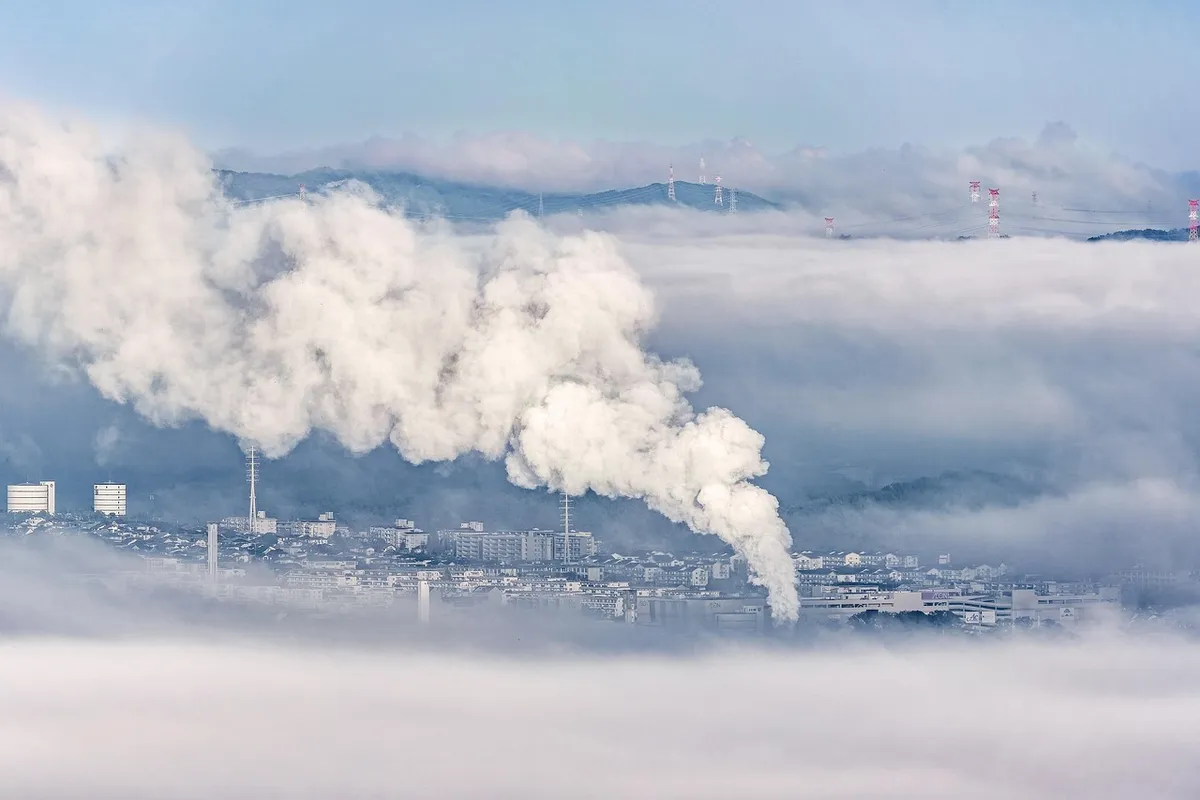
The OECD's first Environmental Performance Review of Japan was published in 1994, which applauded the nation for decoupling its economic development from air pollution, as the nation's air quality improved while the economy thrived.
This historical success established a precedent for managing industrial output alongside public health. This successful decoupling remains a foundational element of the Japan lifestyle change climate.
What role does technology play in daily life? Japan lifestyle change climate
A person sits in a quiet cafe in Tokyo, tapping away at a smartphone to manage daily tasks. The seamless integration of digital tools defines the modern routine in the country.
Digital connectivity is a core component of the modern lifestyle. According to World Bank data, Japan recorded share of internet users of 85.5% in 2024. This high level of connectivity facilitates efficient living and supports various remote work and service-based activities.
Understanding these digital shifts is essential to understanding the Japan lifestyle change climate.
How is the energy landscape changing?
An engineer inspects a solar panel array under the morning sun, considering the capacity of the grid. The mix of power sources is shifting as the nation seeks more sustainable options.
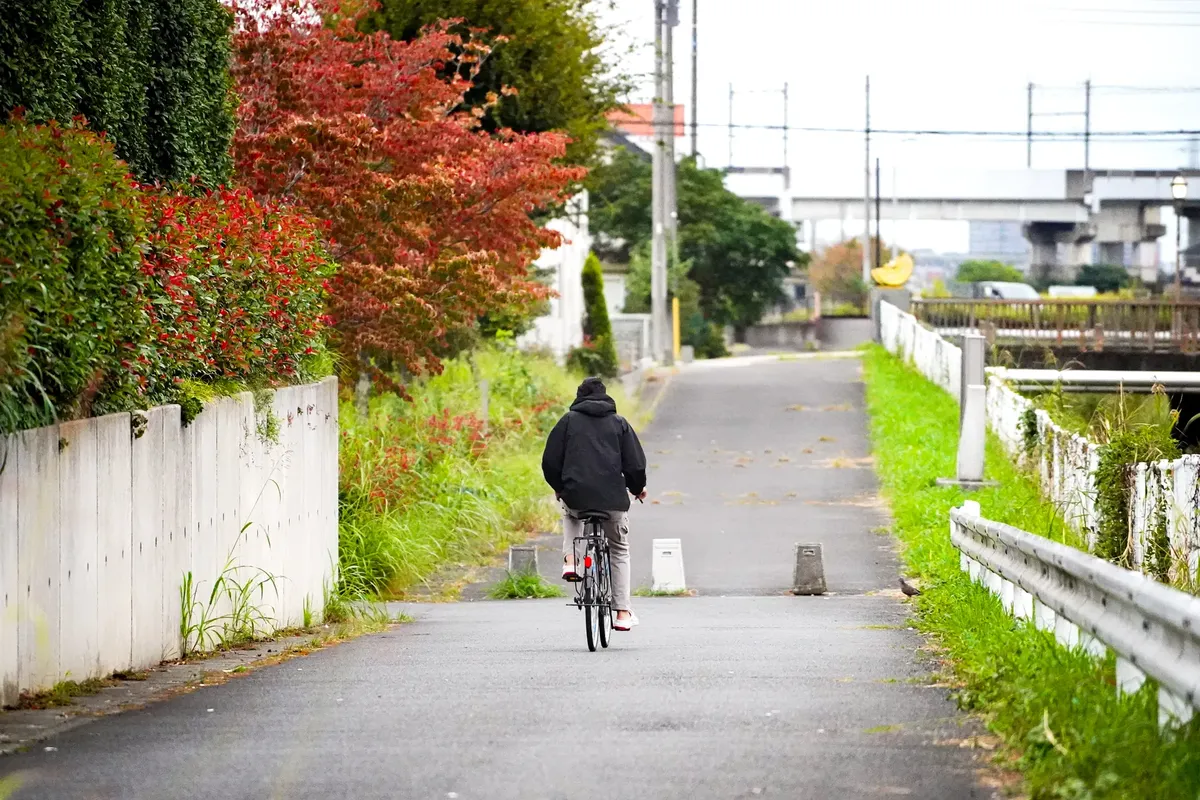
The transition toward cleaner power sources is a gradual process. According to World Bank data, Japan recorded renewable energy share of final consumption of 8.8% in 2021. While this represents a specific portion of the energy mix, it highlights the ongoing efforts to diversify power sources.
This shift is a critical part of the environmental impact daily life.
How did environmental policy evolve?
A government official reviews documents in a quiet office, tracing the history of environmental regulation. The transition from an agency to a ministry marked a significant shift in administrative focus.
Institutional changes have shaped how environmental issues are addressed at the highest levels. The Environment Agency was promoted to the full-fledged Ministry of the Environment in 2001, to deal with worsening international environmental problems.
This change ensured that environmental concerns were integrated into broader governmental strategies. These policy shifts reflect the broader climate change habits Japan is developing.
How does manufacturing contribute to the lifestyle?
A worker monitors a high-tech assembly line where precision is the standard. The output of these factories influences the global market and the local economy.
The technological output of the nation remains a significant factor in its economic stability. According to World Bank data, Japan recorded high-technology share of manufactured exports of 17.6% in 2024. This technological strength supports the infrastructure and products used in daily life.
Observing these industrial trends is necessary for understanding how environment shifts life.
Comparison of Economic and Energy Metrics
The following table compares specific data points regarding the nation's technological and energy shares to provide context for its current developmental state.
| Metric Type | Value |
|---|---|
| High-technology share of manufactured exports (2024) | 17.6% |
| Renewable energy share of final consumption (2021) | 8.8% |
I noticed that the technological export share is significantly higher than the current renewable energy consumption share.
- How did economic growth affect the environment?
- What role does technology play in daily life?
- How is the energy landscape changing?
The same subject is also called Daily routine environmental factors.
This part also covers Adapting to climate shifts Japan.
This part also covers Changes in Japanese living patterns.
This part also covers Environmental influence on daily life.
Adapting to climate shifts Japan
Related
- How to receive a "gift" via express delivery within 30
- Here are 5 practical tips for quickly finding accommodation
###
The analysis of environmental and technological shifts in Japan shows a nation balancing historical industrial success with modern digital and energy transitions. The data provided is limited to specific historical and statistical snapshots.
The Relationship Between Digitalization and Daily Habits?
The seamless integration of digital tools defines the modern routine in the country, making digital connectivity central to the Japan lifestyle change climate. High levels of internet user share facilitate efficient living, which allows individuals to manage daily tasks through smartphones. This convenience supports various remote work and service-based activities, altering traditional working procedures. The relationship between digital tools and daily habits shows a shift toward highly connected routines.
Navigating the Energy Transition Challenges
The transition toward cleaner power sources is a gradual process, requiring careful management of the energy mix. The current renewable energy share of final consumption highlights the ongoing efforts to diversify power sources within the nation. This gradual shift is a critical part of the environmental impact daily life, demanding continuous adaptation. The condition of relying on a specific portion of the energy mix necessitates ongoing policy adjustments to meet sustainability goals.
How does manufacturing strength relate to environmental management?
Manufacturing output remains a significant factor in the nation's economic stability, which influences its environmental management. The technological output supports the infrastructure and products used in daily life, demonstrating a direct link between industry and lifestyle. The comparison between high-technology share of manufactured exports and renewable energy share shows that economic strength is currently outpacing the adoption of cleaner energy sources. This disparity underscores the complex balance the nation maintains between economic growth and environmental goals, a core aspect of the Japan lifestyle change climate.
The policy shifts, such as the promotion of the Environment Agency to the Ministry of the Environment, ensured that environmental concerns were integrated into broader governmental strategies. This institutional change reflects the broader climate change habits Japan is developing, establishing a formal mechanism for addressing environmental issues alongside industrial output.



Comments 0