Why is Japanese sake (soju) so strong, if it's not actually "alcohol"?
Japanese sake is known worldwide for its high alcohol content, but in reality, it's not the "alcohol level" that's high, but rather the result of refined taste and clarity, as well as the perception that "I know a lot about alcohol." This article explains why Japanese sake feels so "strong," what characteristics create this impression, and how to properly distill and blend it for the best experience. It focuses on practical criteria.
---
Why Does Japanese Sake Feel So "Strong"?
- The perception of strength in sake largely comes from the "refreshing taste" and the "intensity of the alcohol smell." In reality, the alcohol content ranges from 25 to 40 degrees, which is lower than the global average. However, the refined taste and distinct alcohol aroma can be so intense that it's easy to mistake it for being "strong."
- The core of Japanese sake is "refinement." After meticulously removing any harsh alcohol odors from highly purified distilled water, the taste is subtly adjusted to create a clear and clean texture. This is why the alcohol's stimulation feels so "strong" in the mouth.
- The process of removing "alcohol odors" and "diluting the taste" repeatedly lowers the actual alcohol content, but increases the "psychological strength." While the sake in the bottle appears clear and clean, the explosive power of the alcohol hitting your head leaves a significant impression.
---
Questions (Practical Criteria and Checkpoints)
1. What conditions are essential for truly enjoying Japanese sake?
- The ingredients are mostly a combination of alcohol and distilled water. In Japan, alcohol extracted from sugarcane, rice, potatoes, etc., is often used. However, after the refinement process, it's almost impossible to distinguish the original ingredients.
- If you want an exceptional taste, choose "ultra-refined sake." This product has had the alcohol odor and cloudy taste removed and is "mechanically" harmonized. It's not just about a high alcohol content; it's about achieving the ultimate level of "taste refinement."
- Checkpoint: Look for products labeled "highly refined" or "ultra-refined sake" on the back of the bottle. These offer the cleanest taste. Products labeled "pure" or "natural alcohol" often have a cloudy taste or odor.
---
2. Why is "cooling" important when drinking sake?
- Refrigerating sake mellows the alcohol's stimulation and makes the taste smoother. Especially when cooled below 5 degrees Celsius, the "chemical stimulation" of the alcohol is reduced, and the structural nuances are enhanced.
- However, excessive refrigeration can diminish the aroma and flatten the taste. This is especially true for highly refined sake, where excessive coolness can reduce the depth of the flavor.
- Practical Checkpoint: Take the sake out of the refrigerator 10 minutes before drinking and hold it in your hand until it reaches smartphone temperature (about 30 degrees Celsius). This is generally when the taste is most balanced.
---
3. Is it good to drink sake like a "cocktail"?
- Generally, it's not recommended. Japanese sake is not just a simple alcohol medium; it's a beverage with a "distinct taste structure." Excessive cocktail combinations can compromise its essence.
- However, simple cross-combinations are possible. For example, mixing sake with purified water (containing acidic minerals) in a 1:2 ratio can mellow the alcohol's stimulation while maintaining its "pleasant clarity."
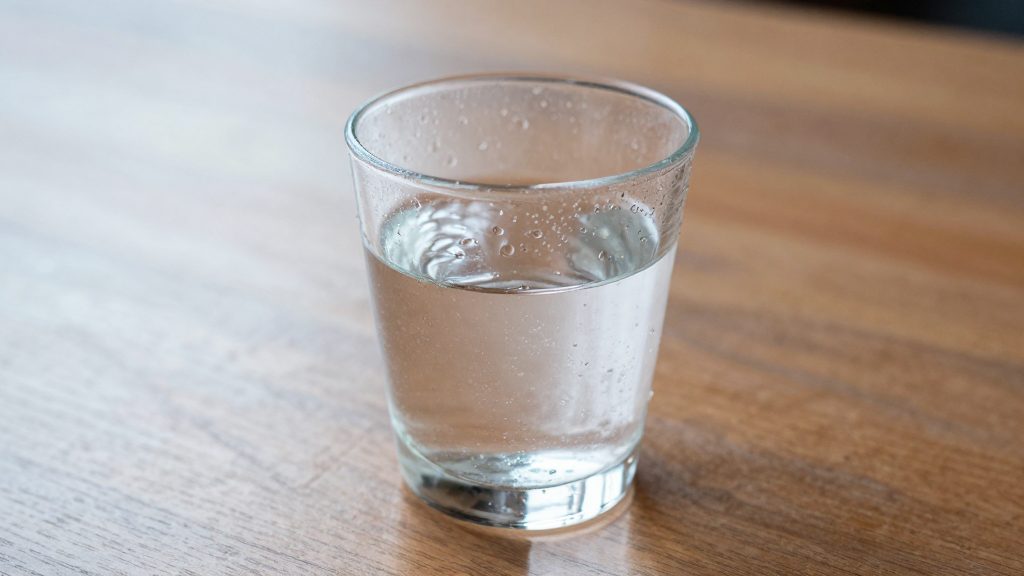
- Simple Experiment Checkpoint: Mix 50ml of sake with 100ml of water. After 3 minutes, taste it. If the alcohol stimulation is reduced and the transparency is maintained, it's a success.
---
4. Is it okay to store sake in the bottle?
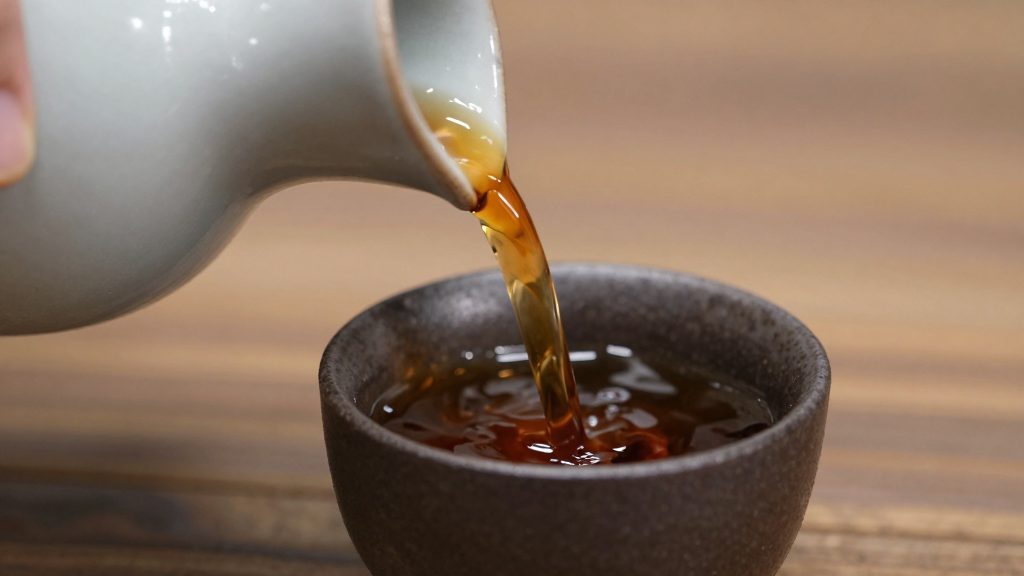
- Storage temperature and exposure to direct sunlight are key. Sake should be stored in a cool, dark place. Direct sunlight can cause the alcohol to break down, making it cloudy or changing its odor.
- Especially when exposed to sunlight, the molecular structure of the alcohol changes, and the taste can become "amateurish." This means that the storage environment is more important than the transparency of the glass bottle.
- Practical Tip: Store it in the back of the refrigerator, preferably on a lower shelf rather than above the door. Maintaining a temperature between 10 and 15 degrees Celsius, away from direct sunlight, is ideal.
---
5. Is it good to "finish a whole bottle" of sake?
- It's generally not recommended. While sake has a relatively low alcohol content, the refined taste and concentrated alcohol stimulation can lead to a rapid change in mood.
- When you're in an "empty state," the rate of alcohol absorption increases significantly. Especially when consumed on an empty stomach, you may feel a rush of feeling within 10 minutes.
- Checkpoint: Consuming at least 20 grams of protein (e.g., eggs, meat) before drinking sake can delay alcohol absorption. This actually reduces the "strong feeling" associated with sake.
---
Frequently Asked Questions
How long can sake be stored after opening the bottle?
- It's recommended to use it within 3 months of opening, stored in a sealed container and refrigerated. Oxidation of the alcohol degrades the taste and causes the transparency to decrease. Especially within a week of opening, the balance of the taste quickly deteriorates.
Does the taste change if sake is consumed at a temperature other than room temperature?
- Yes, the perception of taste changes dramatically depending on the temperature. Chilled sake mellows the alcohol's stimulation and emphasizes clarity, while at room temperature, the aroma and bitterness of the alcohol are more pronounced. Highly refined sake is particularly sensitive to temperature changes.
Is it possible to enjoy Japanese sake in a Korean style?
- It's possible, but avoid methods that "compromise the original taste structure." For example, while Korean sake is known for its "clear and pure alcohol," Japanese sake prioritizes refined taste. Therefore, Korean-style methods like "sake shaved ice" or "mixing sake with beer" can detract from its original flavor.
---
All of this information is a practical guide based on the experiences of actual sake consumers and Japanese beverage processing standards. While everyone perceives alcohol differently, understanding the balance between refined taste and alcohol stimulation will allow you to enjoy Japanese sake more accurately and "truly."
Related posts
Why has *soju*, a traditional Korean alcoholic beverage, become an "everyday drink" for the Japanese? Here are 5 key factors.
Here are 5 practical tips for quickly finding accommodation in Japan.
Japan's Reality of "Working from Home" and Practical Tips for a Balanced Life: A User-Friendly Guide to Efficiency and Well-being.
How to receive a "gift" via express delivery within 30 minutes in Japan: 5 key points to prepare and avoid unexpected mistakes.
Popular posts
Why has *soju*, a traditional Korean alcoholic beverage, become an "everyday drink" for the Japanese? Here are 5 key factors.
Here are 5 practical tips for quickly finding accommodation in Japan.
Japan's Reality of "Working from Home" and Practical Tips for a Balanced Life: A User-Friendly Guide to Efficiency and Well-being.
Comments 0