How to receive a "gift" via express delivery within 30 minutes in Japan: 5 key points to prepare and avoid unexpected mistakes.
Anyone who spends a significant amount of time in Japan will inevitably face the question: "How can I quickly send these souvenirs to my friends back home in Korea?" Especially when you're abroad, the desire to quickly send special items purchased locally, such as premium drinks, pharmaceuticals, or handcrafted goods, is strong. However, domestic shipping in Japan isn't always as fast as you might expect, and unexpected mistakes can easily occur during the packaging process. In reality, while domestic shipping in Japan is generally fast, improper packaging and errors in information input are the most common causes of failure. This article provides practical tips for quickly and safely sending souvenirs from Japan, along with a summary of common error cases.
Can you send souvenirs from within Japan in under 30 minutes?
Japan's postal system has a well-deserved reputation for speed and accuracy worldwide. While domestic shipping between cities typically takes 1-2 days, achieving a "delivery within 30 minutes" is not realistically possible. However, the "within 30 minutes" refers to the time required to prepare for shipment on the day you purchase the item locally. For example, while it's impossible to have a souvenir shipped from Tokyo to Kansai and delivered within 30 minutes at the shipping counter, if you can immediately entrust the item to a local store or airport for shipment and it's dispatched within an hour, then the "within 30 minutes" delivery system can be activated from that point. The key is to focus on the "preparation time for shipment" rather than the actual delivery time.
How should you package items to meet shipping standards?
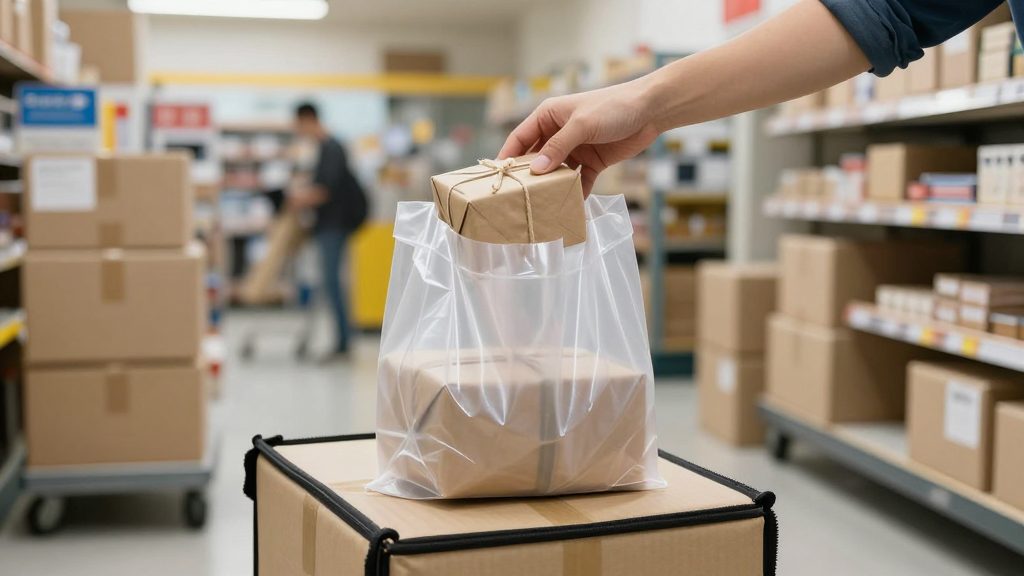
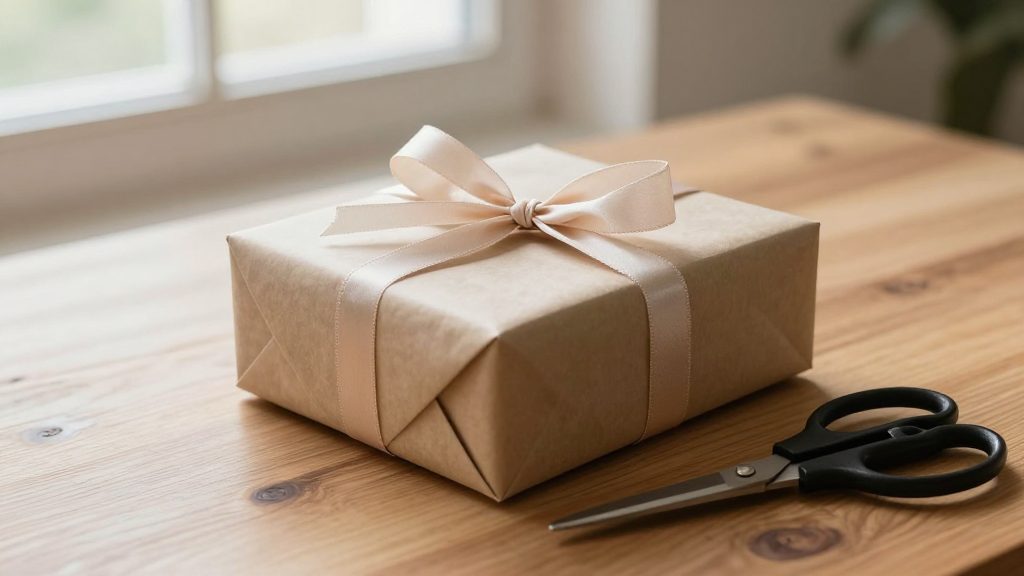
The most common reasons for souvenirs being damaged or failing to arrive are incorrect packaging methods. Japan has strict standards for packaging materials and sizes. For example, glass bottles or ceramic items must have impact-absorbing materials inside (e.g., foam padding, air cushions), and it's safer to use industrial shipping boxes (especially those with securely fastened lids) rather than decorative gift boxes. Additionally, the shipping cost will increase if the package is too small or too large. When packaging typical souvenirs (e.g., one bottle of sake, one packet of powdered medicine), the sum of length, width, and height should be no more than 120cm, and the weight should not exceed 30kg for optimal shipping conditions. If the size or weight exceeds these limits, additional fees may be charged, or the item may be returned. Therefore, it's essential to measure the external dimensions at least once before shipment.
What are the most common mistakes made when entering shipping information?
Typos or inconsistencies in name, address, and phone number are among the most frequent problems encountered with shipping within Japan. In particular, Korean travelers often use a mixture of Chinese characters and Hangul when reading or entering Japanese addresses, or they may omit the region name or house number. For example, if you write "Tokyo Shinjuuku-ku Omura-cho 1-2" instead of the full address "Tokyo Shinjuuku-ku Shin-Omura-cho 1-2," the shipment will not arrive correctly. Also, the phone number must be entered in the Japanese format (080-XXXX-XXXX). If you enter a Korean phone number, the recipient may not be able to receive the shipment. It is essential to double-check all this information before shipment.
Are there any customs issues when sending items to Korea?
When shipping from Japan to Korea, there is a risk of being intercepted by customs if you include excessive quantities or prohibited items. For example, alcoholic beverages with an alcohol content of 20% or more are subject to customs inspection if you ship more than 5 bottles. Also, pharmaceuticals or health supplements may be restricted if you ship more than 3 months' supply per person. In addition, most food items (e.g., canned sweet potatoes, pickled vegetables) are prohibited from import. Therefore, you must check the customs classification of each item before shipping. Even if an item is available for use within Japan, customs regulations may differ when entering another country, so it's important to develop the habit of "checking before shipping."
Practical advice: A 3-step checklist for quickly and safely sending souvenirs.
- Step 1: Preparation before packaging – Measure the size and weight of the souvenir, and check if there is enough impact-absorbing material. Adjust the box size so that it's not too large.
- Step 2: Check the accuracy of information – Double-check the name, address, and phone number in Japanese. Reconfirm that the sender's information matches the recipient's information.
- Step 3: Choose a shipping company – If you want the fastest domestic shipping, choose Yomiuri Shipping (Yu-Pack) or a local logistics company. In particular, shipping counters at airports often dispatch items by air within an hour of shipment.
Sending souvenirs from Japan is more than just delivering an item; it also reflects a respect for the local culture and regulations. While 30 minutes is enough time to prepare, taking the time to check beforehand will make the souvenir even more meaningful.
Related posts
Why has *soju*, a traditional Korean alcoholic beverage, become an "everyday drink" for the Japanese? Here are 5 key factors.
Here are 5 practical tips for quickly finding accommodation in Japan.
Japan's Reality of "Working from Home" and Practical Tips for a Balanced Life: A User-Friendly Guide to Efficiency and Well-being.
Why is Japanese sake (soju) so strong, if it's not actually "alcohol"?
Popular posts
Why has *soju*, a traditional Korean alcoholic beverage, become an "everyday drink" for the Japanese? Here are 5 key factors.
Here are 5 practical tips for quickly finding accommodation in Japan.
Japan's Reality of "Working from Home" and Practical Tips for a Balanced Life: A User-Friendly Guide to Efficiency and Well-being.
Comments 0