What is the current state of the Japanese economy?
The political landscape in Japan is shifting as the 2026 general election approaches, creating new variables for the nation's fiscal stability. This transition follows a period of significant leadership changes within the Liberal Democratic Party (LDP) and fluctuating economic indicators.
The upcoming election will likely dictate the direction of fiscal policy, defense spending, and technological investment in Japan. Key takeaways include the potential for new tax structures, the impact of defense budget increases, and the management of recent inflationary trends.
How will the 2026 election affect Japan's fiscal direction?

A politician walks through a quiet hall, reviewing policy documents that outline the future of national spending. The shift in leadership often brings new priorities to the forefront of the national budget.
The 2026 election follows a period where leadership changes within the LDP reshaped political priorities. For instance, during previous leadership contests, candidates proposed various fiscal measures to revitalize the economy.
One candidate, Kobayashi, aimed to return Japan to its status as a "technological superpower" by introducing tax cuts and raising defense spending beyond 2% of GDP.
These types of policy shifts suggest that the 2026 election could lead to significant changes in how tax revenue is allocated between social programs and national security.
The proposed tax cuts, for example, would necessitate a careful comparison between the immediate boost to consumer spending and the long-term effect on government revenue streams.
What is the current state of the Japanese economy? 2026 Japan election economy
An economist looks at a screen displaying fluctuating growth rates and price indices. The baseline of the economy provides the context for any new political decisions. According to World Bank data, Japan recorded GDP growth of 1.2% in 2025.
The economic environment remains complex, with recent data showing both growth and inflationary pressure.
At the same time, the cost of living has seen upward movement, as the World Bank reported that Japan recorded inflation (consumer prices) of 3.2% in 2025. These figures provide the backdrop against which new election promises will be measured by the public.
The comparison between positive GDP growth and rising consumer prices highlights the unique challenge of managing economic stability during this period.
How does unemployment relate to political stability?
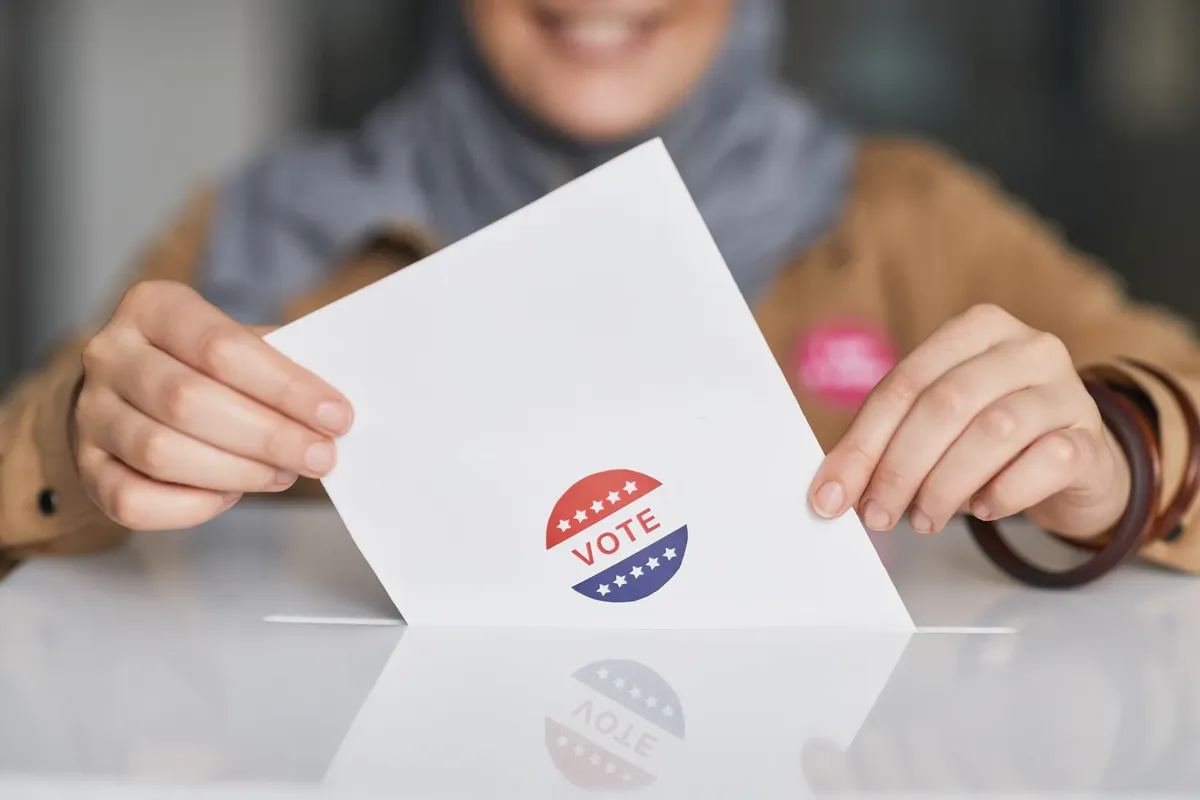
A job seeker scans a newspaper, considering how new government policies might affect the labor market. Stability in employment is often a primary concern for voters during election cycles.
Labor market conditions are a critical factor in voter sentiment and overall economic health.
While the labor market appears relatively stable, the intersection of low unemployment and rising inflation can create unique challenges for new administrations. Policy decisions regarding the workforce will be central to the 2026 election discourse.
The condition of low unemployment suggests that the government has a strong foundation for economic activity, but the concurrent inflation requires a different policy approach.
According to FRED/ECOS/KOSIS, the 2026 record includes 3%.
What are the potential policy shifts in defense and technology?
A researcher examines new hardware in a laboratory, contemplating the implications of increased government funding. The intersection of technology and national security is a recurring theme in Japanese politics.
Political candidates have historically linked technological advancement with national strength. During the 2025 LDP leadership contest, proposals included increasing defense spending to levels above 2% of GDP to bolster national security.
Such shifts in spending could redirect capital toward the defense industry and high-tech sectors, potentially altering the industrial landscape of the country.
The redirection of capital toward high-tech sectors must be compared against the existing needs of social programs to ensure balanced national development.
How did previous leadership elections shape the current environment?
A group of party members gathers in a conference room to discuss the results of a recent vote. The history of leadership transitions provides a roadmap for understanding current political dynamics.
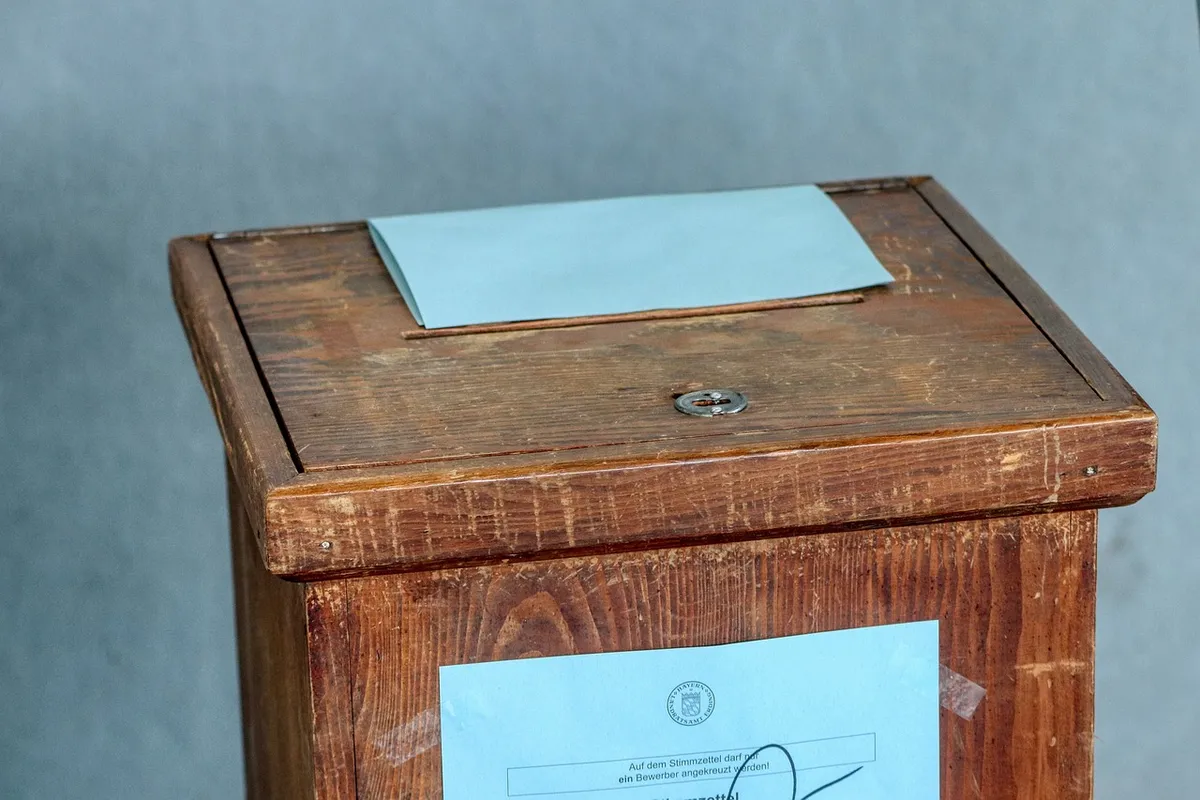
According to the Association intended to nominate its own, for the Hyogo gubernatorial election, the Hyogo Restoration Association intended to nominate its own candidate since late 2020, but faced coordination challenges.
The recent history of the LDP shows how internal voting processes determine the nation's trajectory. In a previous leadership contest, Takaichi secured 31.07% of the vote in the first round, while Koizumi followed with 27.84%.
This resulted in a runoff where Takaichi ultimately garnered 54.25% of the vote. These internal power shifts demonstrate how the leadership process can lead to sudden changes in policy direction, which will be a critical factor to watch in 2026.
The comparison between the first-round vote percentages and the final runoff percentage illustrates the dramatic impact of the second-round campaigning on the final policy outcome.
What are the steps to evaluate election impacts?
An analyst prepares a comprehensive report, categorizing different types of economic variables. Evaluating the impact of an election requires a structured approach to understanding policy changes.
To assess the potential economic impact of the 2026 election, one can follow these steps:
- Analyze the proposed tax changes and their potential effect on consumer spending and corporate investment. 2. Evaluate the impact of changes in defense spending on the national debt and industrial sectors. 3. Monitor how shifts in leadership affect international trade relations and technological investment.
I will watch how these variables interact to determine the overall stability of the Japanese economy. A limitation of this analysis is that it is based on historical leadership transitions and recent economic data, which may change as the 2026 election approaches.

The evaluation process requires comparing policy proposals against the current economic conditions, such as the 3.2% inflation rate.
- How will the 2026 election affect Japan's fiscal direction?
- What is the current state of the Japanese economy?
- How does unemployment relate to political stability?
The subject here is 2026 Japan election economy.
The same subject is also called Japan 2026 election impact.
The same subject is also called 2026 Japan vote economy.
The same subject is also called Japan election economic effect.
The same subject is also called 2026 Japan political economy.
This part also covers 2026 Japan election outlook.
This part also covers Japan election economic policy.
This part also covers Japan 2026 market response.
2026 Japan election outlook
Related




Comments 0