Why won't the yen depreciation end? The real changes happening in Japanese society.
<!--img--> 
You're probably hearing the phrase "Now is a good time to travel to Japan" quite often these days. This is largely due to the prolonged depreciation of the Japanese yen, or "yen depreciation." While this benefits tourists, it's creating a very different reality within Japan itself. This article explores the two sides of this phenomenon, where some are celebrating while others are sighing.
Booming Tourism, But a Burden on Daily Life
The influx of foreign tourists due to the yen depreciation is bringing vibrancy to major cities like Tokyo and Osaka. Hotels, restaurants, and duty-free shops are thriving, and jobs related to tourism are increasing. Thanks to the exchange rate, prices in Japan seem "cheaper" for foreigners.
However, Japanese households aren't necessarily feeling the same optimism. Japan relies heavily on imports for energy and food, so the yen depreciation directly leads to rising import prices. This is increasing the burden on household budgets, and many people are feeling that "wages remain the same while prices keep rising."
Diverging Trends: Wages and Investment
Companies are raising wages in an effort to retain employees. This is a significant move away from the long-standing practice of stagnant wages, but whether it can keep pace with rising prices remains to be seen.
- Stock Market: The weak yen is benefiting export companies, leading to a steady inflow of foreign capital.
- Real Estate: Overseas investors are showing increased interest in relatively cheaper Japanese assets.
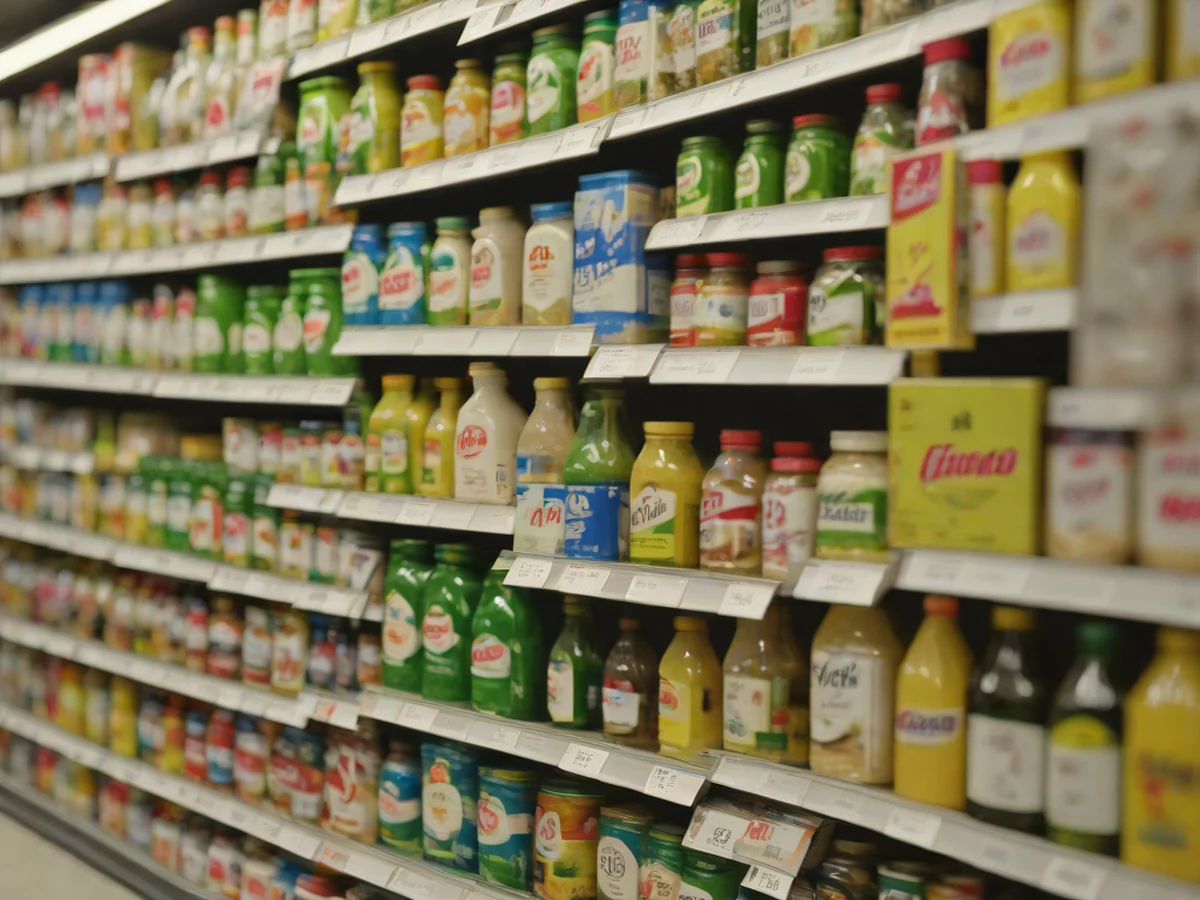
- Consumption: Domestic consumption is being dampened by concerns about rising prices.
- Policy: The government and central bank are carefully balancing the need for price stability with the desire to stimulate the economy.
Why Isn't the Yen Depreciation Ending Easily?
The key factor is the 'interest rate difference.' As long as other major countries maintain high interest rates while Japan continues its prolonged period of low interest rates, money will naturally flow to currencies with higher returns, putting downward pressure on the yen. This is compounded by structural factors such as trade deficits and energy prices, making it difficult to reverse the trend quickly.
Things Travelers Should Know
- Exchange Rate Timing: Exchange rates fluctuate daily, so it's safer to exchange money in smaller amounts rather than all at once.
- Perception of Local Prices: While dining and transportation may be affordable, accommodation in tourist areas can become more expensive due to high demand.
- Payment Methods: Compare the exchange rates charged by credit cards and the fees for exchanging cash.
A single exchange rate can dramatically change the daily lives of an entire nation.
Japan Today aims to provide easy-to-understand information about the real changes happening in the lives of Japanese people, going beyond just exchange rates and economic indicators.
<!--enr--> ## Quick Comparison
| Aspect | Item A (Domestic Japanese Situation) | Item B (Foreign Tourists and Investment Perspective) |
|---|---|---|
| Cost of Living | Rising energy and food prices due to import dependency increase household expenses | Foreign visitors perceive Japanese prices as low, encouraging spending |
| Wages and Consumption | Wage increases are underway but lag behind inflation, leading to reduced perceived income | Domestic consumer sentiment weakened; however, increased interest from overseas investors |
| Economic Indicators | Persistent yen depreciation due to interest rate differentials, with limited short-term reversal due to structural factors | Improved performance for export-oriented firms, increased foreign capital inflows and real estate investment |
| Policy Response | Ongoing efforts to balance inflation control with economic stimulus | Limited room for government and central bank interest rate adjustments, making yen depreciation likely to continue |
Frequently Asked Questions (FAQ)
Q1. Will Japanese import prices continue to rise if the yen remains weak? Yes, a weaker yen continuously pushes up prices for food and energy that Japan relies on importing. With high import dependence for oil and grains, yen depreciation significantly increases household grocery expenses.
Q2. What measures is the Japanese government taking to counter yen depreciation? The Japanese government and central bank prioritize exchange rate stability over interest rate hikes, actively engaging in foreign exchange market intervention and adjusting monetary policy to curb yen depreciation. However, structural factors make short-term stabilization difficult.
Q3. Is the reason many foreigners are visiting Japan due to yen depreciation? Yes, a weaker yen makes Japanese prices seem "cheaper" to foreign visitors, reducing travel costs. As a result, the number of international tourists has significantly increased at major destinations like Tokyo and Osaka.
Q4. Will wage increases in Japan be effective amid ongoing yen depreciation? While wages are rising, real income often fails to keep pace with inflation. Therefore, wage increases alone cannot fully offset the rising cost of living driven by yen depreciation.
Related posts

Why has *soju*, a traditional Korean alcoholic beverage, become an "everyday drink" for
Japan's Reality of "Working from Home" and Practical Tips for a Balanced Life: A

Why is Japanese sake (soju) so strong, if it's not actually "alcohol"?
How will the Japanese government's "mandatory remote work" policy, which is set to be
Popular posts
Why has *soju*, a traditional Korean alcoholic beverage, become an "everyday drink" for
Here are 5 practical tips for quickly finding accommodation in Japan.
Japan's Reality of "Working from Home" and Practical Tips for a Balanced Life: A

Comments 0